
7 Laundry Room Design Ideas That Make Everyday Tasks Easier

A laundry room may not be the most used space in a home, but it plays an important role in everyday routines. A poorly planned laundry area can quickly become crowded with clothes, supplies, and unfinished tasks. With smarter layouts, better storage, and practical features, a laundry room can become a more organized and efficient part of the home.
1. Add More Counter Space
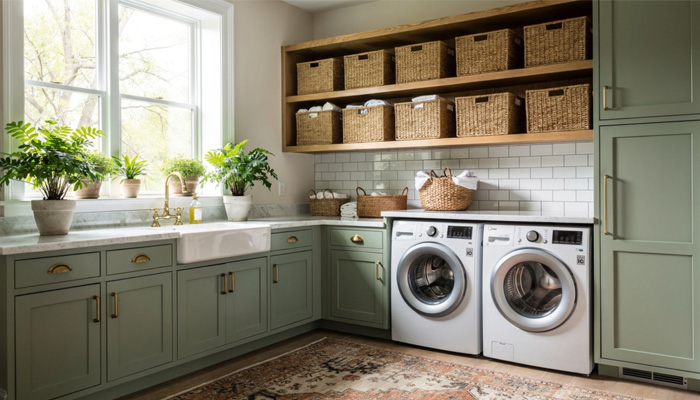
One of the simplest ways to make a laundry room more functional is adding a dedicated countertop. A flat work surface creates a convenient place for folding clothes, sorting laundry, organizing supplies, and handling small clothing repairs.
For front-loading washers and dryers, installing a countertop directly above the machines is a popular solution because it uses space that would otherwise remain empty. Durable materials such as laminate, quartz, or wood can provide both practicality and style. In larger laundry rooms, a separate folding station can make the space feel more like a dedicated workspace rather than just an appliance area.
A good countertop also helps reduce clutter because clothes no longer need to be folded on beds, sofas, or dining tables. When everything happens in one organized area, laundry becomes faster and easier to manage.
2. Create Smart Storage
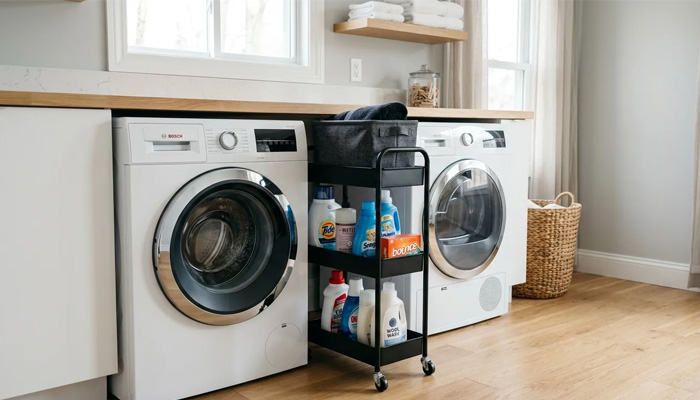
Laundry rooms often contain many small items, including detergent, stain removers, cleaning products, dryer sheets, and tools. Without proper storage, these items can quickly create visual clutter and make the room feel smaller.
Smart storage solutions help keep everything accessible while maintaining a clean appearance. Cabinets above washers and dryers are ideal for storing less frequently used supplies, while open shelves work well for items used every day. Pull-out drawers and storage baskets can also make it easier to organize laundry products by category.
For smaller laundry rooms, vertical storage is especially valuable. Tall cabinets, narrow storage towers, and wall-mounted organizers can add capacity without taking away walking space. The goal is to create a place for everything so the room stays functional even during busy laundry days.
3. Design a Sorting Area
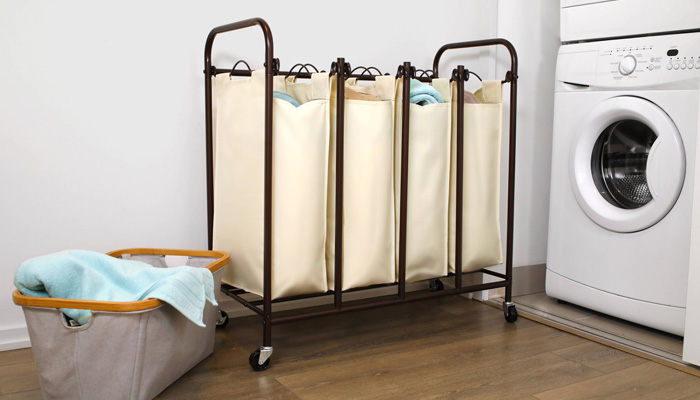
A dedicated sorting area can completely change how people approach laundry. Instead of collecting mixed clothes in random piles, a well-designed system allows items to be organized before washing begins.
Many homeowners use divided laundry hampers to separate colors, whites, towels, and delicate items. Built-in laundry bins under countertops or inside cabinets can create a cleaner look while keeping clothes hidden from view.
This small design improvement saves time because the sorting process happens naturally as clothes are collected. It also prevents last-minute searching through piles of laundry when it is time to start a load.
4. Add Better Drying Space
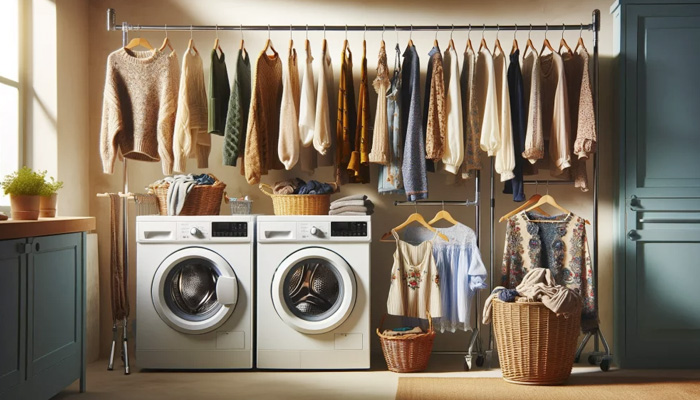
Not every piece of clothing should go directly into the dryer. Delicate fabrics, sweaters, and certain materials often need air drying to maintain their shape and quality. Adding dedicated drying space makes the laundry room more flexible and practical.
Wall-mounted drying racks are a great option for smaller rooms because they can be folded away when not in use. Retractable clotheslines provide similar benefits without taking up permanent space. A hanging rod above the washer and dryer is another simple addition that allows freshly washed clothes to hang immediately.
These features are especially useful for households that frequently wash delicate clothing or want to reduce energy use from excessive dryer use.
5. Use Vertical Space
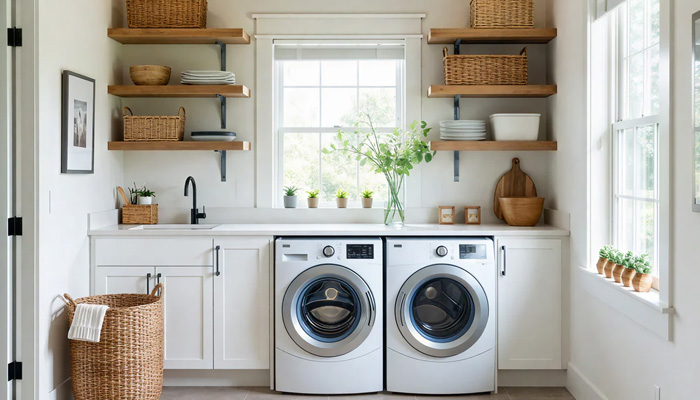
When floor space is limited, looking upward can reveal valuable storage opportunities. Walls in laundry rooms are often empty areas that can be transformed into useful organization zones.
Shelves above appliances can hold detergent, baskets, and cleaning supplies, while hooks and rails can store ironing tools, laundry bags, or small accessories. A narrow cabinet placed between the washer and dryer can also provide additional storage without making the room feel crowded.
Using vertical space keeps essential items within reach while leaving the floor open. This approach is particularly effective in compact homes where every square foot matters.
6. Improve Laundry Workflow

A functional laundry room should be designed around the way people actually complete laundry tasks. Good design is not only about appearance—it is about reducing unnecessary movement.
A well-planned laundry room typically includes different zones for different activities. The area where dirty clothes arrive should be close to sorting storage. The washer and dryer should be positioned near supplies, while folding and hanging areas should be easy to access after drying.
Small layout changes can make a surprising difference. For example, placing detergent near the washing machine instead of across the room saves repeated steps. Keeping frequently used items within arm’s reach creates a smoother routine and makes laundry feel less like a chore.
7. Add Practical Comfort Features
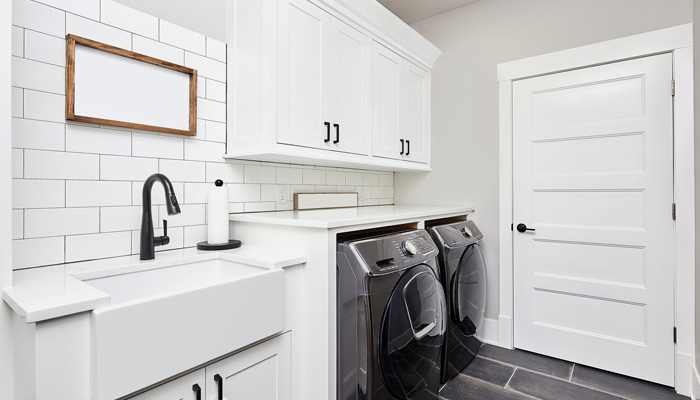
Small upgrades can make a laundry room much more enjoyable to use. Good lighting is one of the easiest improvements because it makes sorting clothes, checking stains, and organizing supplies easier. Bright but comfortable lighting can also make the room feel cleaner and more welcoming.
A utility sink is another useful feature for soaking clothes, washing delicate items, or handling messy tasks that do not belong in a kitchen sink. Easy-clean flooring and durable surfaces can also make maintenance simpler, especially in households with children or pets.
Additional features like a small ironing area, built-in drying rack, or designated space for repairs can turn a basic laundry room into a highly practical workspace.
Conclusion
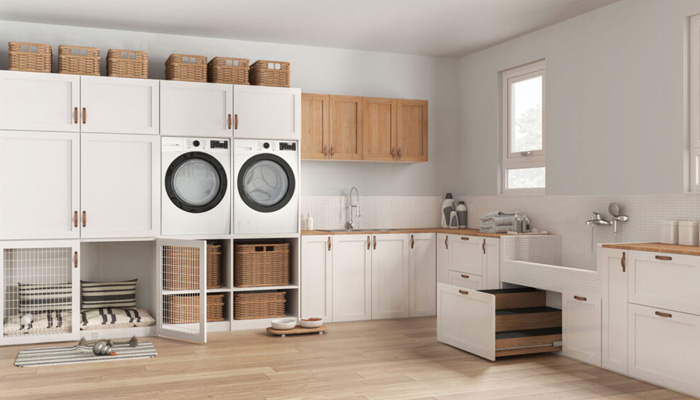
A well-designed laundry room is not just about making the space look better—it is about making everyday tasks easier. Adding countertops, improving storage, creating sorting areas, and optimizing workflow can transform even a small laundry space into a more efficient part of the home. By focusing on how the room is used every day, homeowners can create a laundry area that saves time, reduces clutter, and makes household routines feel much simpler.