
12 House Design Mistakes First-Time Homeowners Regret Most
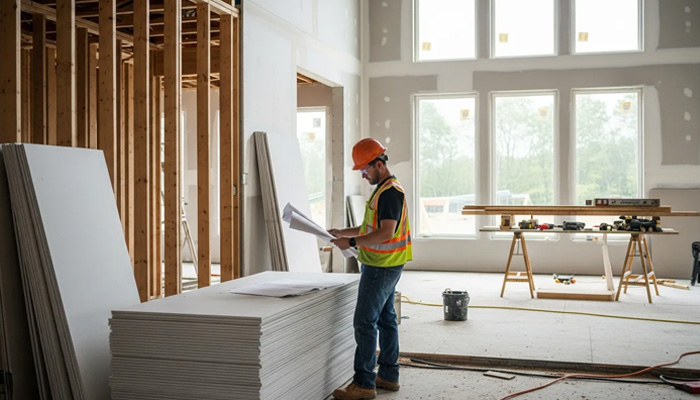
Buying a home is exciting, and renovating it can feel even more rewarding. Many first-time homeowners spend hours choosing paint colors, flooring materials, and furniture styles, hoping to create a beautiful living space. However, some of the biggest renovation mistakes have little to do with aesthetics and everything to do with how a home functions every day.
The problem is that many design decisions seem perfect during the planning stage but become frustrating once you start living with them. Poor layouts, inadequate storage, and impractical finishes can lead to years of inconvenience—and expensive corrections.
Before you begin your next renovation project, watch out for these common house design mistakes that homeowners often wish they had avoided.
1. Designing Rooms Without Planning Furniture Placement
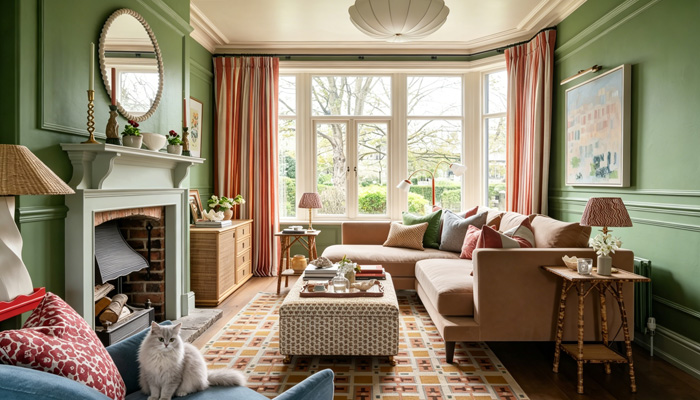
One of the most common mistakes is designing a room before considering how furniture will fit inside it. A floor plan may look spacious on paper, but once a sofa, dining table, or bed is added, the room can feel cramped and awkward.
Many homeowners discover too late that walkways are blocked, television placement feels uncomfortable, or large furniture pieces simply don’t fit as expected.
Before finalizing any layout, create a furniture plan that includes realistic dimensions for everything you intend to use.
2. Not Including Enough Storage
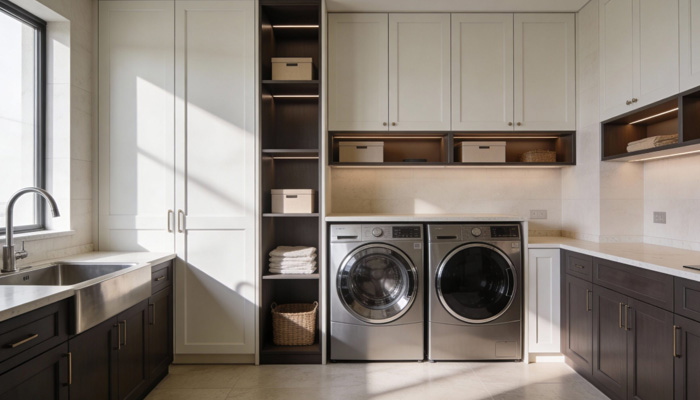
Storage is one of the most overlooked aspects of home design. During renovation, people often focus on creating open, uncluttered spaces without thinking about where everyday items will actually go.
As a result, closets become overcrowded, kitchen counters fill with appliances, and garages turn into storage rooms.
A well-designed home should include storage in every major space, including bedrooms, bathrooms, kitchens, laundry rooms, and entryways. Built-in cabinets and multifunctional furniture can make a significant difference.
3. Prioritizing Style Over Function in the Kitchen
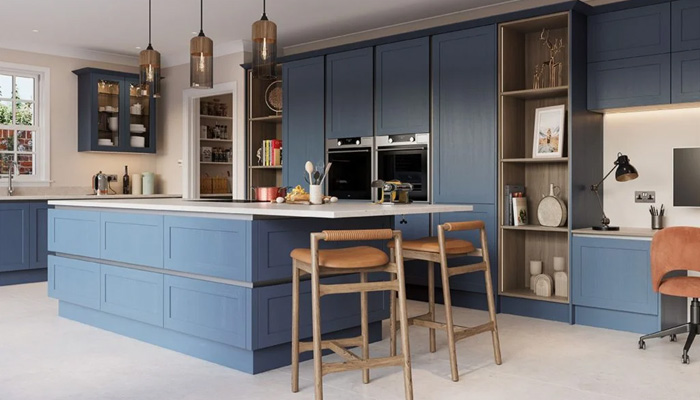
The kitchen is one of the hardest-working rooms in any home. Unfortunately, many homeowners focus on appearance while overlooking functionality.
A beautiful kitchen may still be frustrating if it lacks adequate counter space, has poor appliance placement, or includes an island that’s too small to be useful.
When planning a kitchen renovation, think about how you cook, clean, and move through the space. Function should always come before trends.
4. Ignoring Natural Light
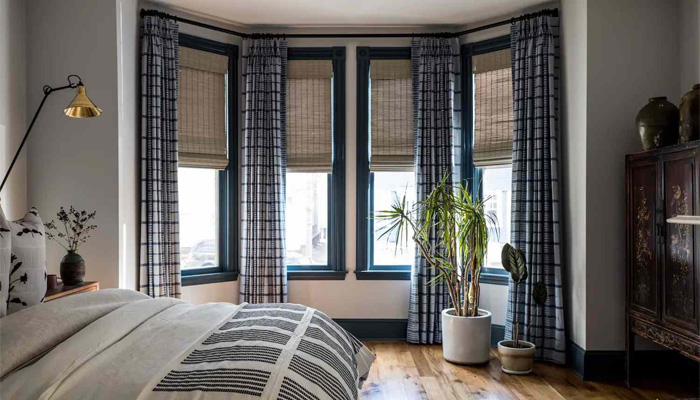
Natural light has a major impact on how a home feels. Yet many renovation projects fail to maximize available sunlight.
Small windows, poorly positioned walls, and blocked views can make rooms feel darker and smaller than they actually are.
Homes with abundant natural light often feel more welcoming, more spacious, and more energy-efficient. Before making structural changes, consider how sunlight moves through the house throughout the day.
5. Following Design Trends Too Closely
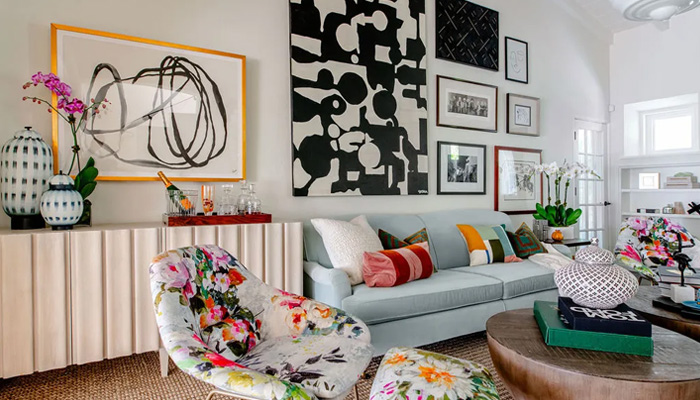
Trends come and go quickly. What feels modern today may look outdated just a few years later.
Many homeowners regret investing heavily in ultra-trendy colors, finishes, or decorative features that lose their appeal over time.
A smarter strategy is to use timeless materials and neutral foundations while incorporating trends through accessories, paint, or décor that can be updated easily.
6. Installing Too Few Electrical Outlets
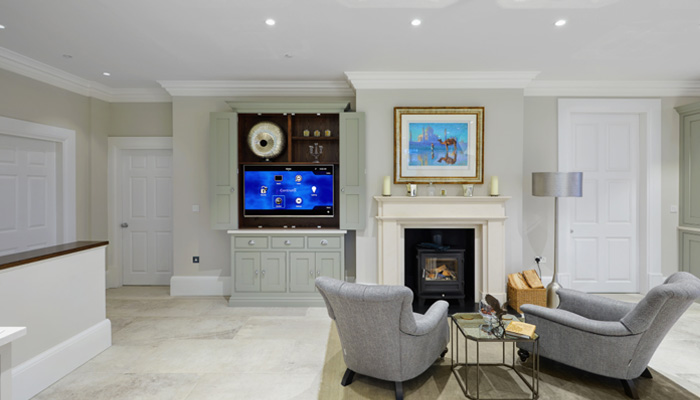
Modern households rely on more devices than ever before. Phones, laptops, tablets, gaming systems, smart home devices, and kitchen appliances all require power.
Yet insufficient outlet placement remains a common renovation mistake.
After moving in, homeowners often find themselves relying on extension cords and power strips throughout the house. During renovation, it’s much easier and less expensive to add outlets than it is after walls are finished.
Think ahead about where devices will be used and plan accordingly.
7. Creating an Open Floor Plan Without Defined Zones
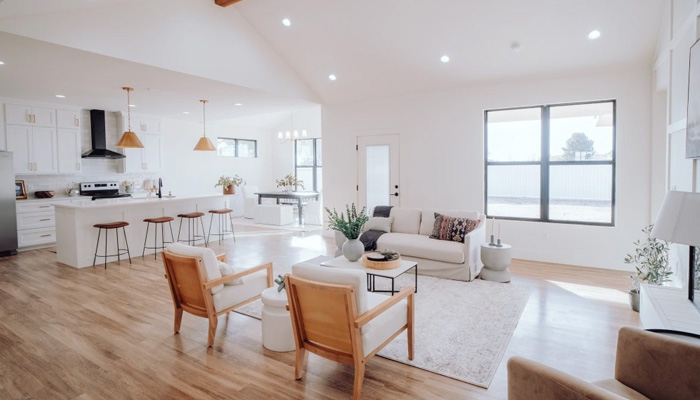
Open-concept living remains popular, but many homeowners underestimate its challenges.
While removing walls can make a home feel larger, it can also create problems with noise, privacy, and furniture arrangement. Large open spaces sometimes feel less comfortable because there is no clear definition between functional areas.
Successful open layouts use furniture, lighting, rugs, and architectural features to create distinct zones while maintaining openness.
8. Choosing the Wrong Flooring
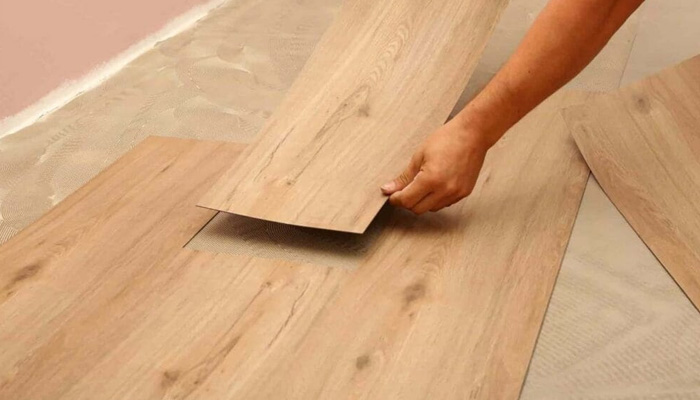
Flooring affects both appearance and daily maintenance. Unfortunately, many homeowners choose materials based solely on looks.
Certain flooring types scratch easily, show dirt quickly, or become slippery when wet. Others may not perform well in homes with pets, children, or heavy foot traffic.
Before making a decision, consider your lifestyle, maintenance expectations, and long-term durability requirements rather than focusing only on design trends.
9. Overlooking Lighting Design
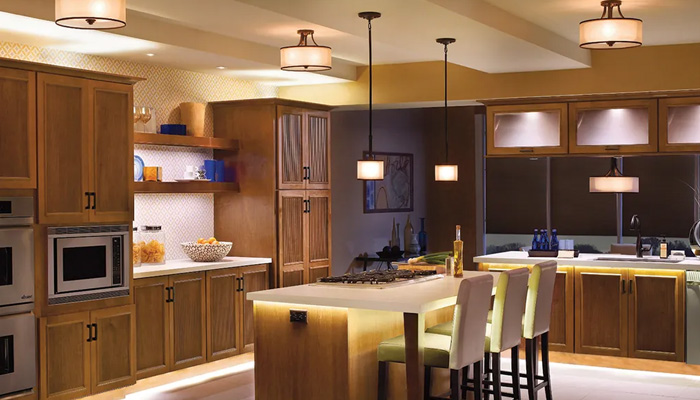
Lighting is often treated as an afterthought during renovations. Many homeowners assume a single ceiling fixture will adequately illuminate a room.
In reality, good lighting requires layers. Ambient lighting provides general illumination, task lighting supports activities such as reading or cooking, and accent lighting highlights architectural features.
Poor lighting can make even a beautifully designed room feel uncomfortable. A thoughtful lighting plan can dramatically improve both functionality and atmosphere.
10. Forgetting About Future Needs

A renovation should not only reflect your current lifestyle but also anticipate future changes.
A young couple may eventually need extra bedrooms. Remote work could require a dedicated office space. Aging homeowners may benefit from accessibility features later in life.
Designing with flexibility in mind can help prevent costly renovations down the road and allow the home to adapt as circumstances change.
11. Neglecting Outdoor Living Spaces
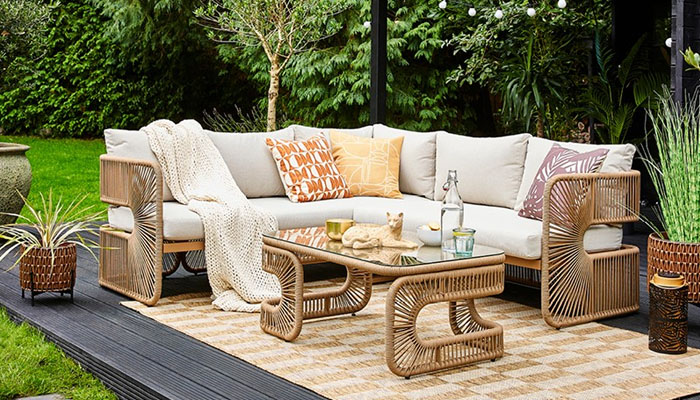
Many renovation budgets focus entirely on interior improvements while overlooking outdoor areas.
However, patios, decks, covered seating areas, and functional landscaping can significantly enhance a home’s usability and value.
Outdoor spaces effectively extend the living area of a home and create opportunities for relaxation, entertainment, and family gatherings. Investing in these areas often delivers long-term benefits.
12. Starting Renovation Without a Complete Plan
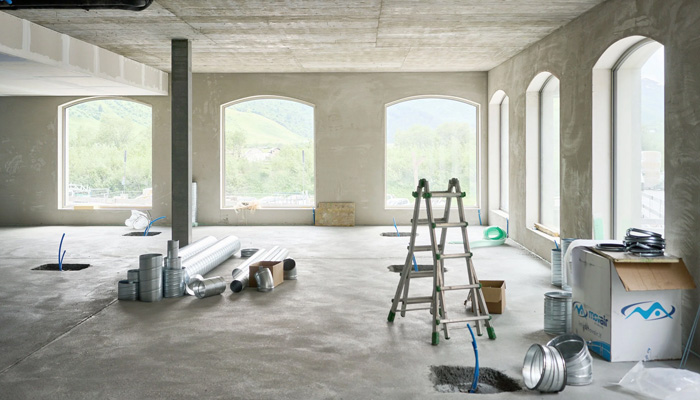
Perhaps the biggest mistake of all is beginning construction before every major design decision has been finalized.
Changing layouts, materials, or finishes midway through a project often leads to delays, unexpected costs, and inconsistent results.
A comprehensive renovation plan should include room layouts, storage solutions, lighting design, materials, fixtures, and budget estimates before work begins. Careful planning can save thousands of dollars and countless headaches.
Final Thoughts

The most expensive home design mistakes are not always the most obvious ones. While paint colors and decorative choices can be changed relatively easily, poor layouts, inadequate storage, and impractical design decisions can affect daily life for years.
For first-time homeowners, the goal should be creating a home that is both beautiful and functional. By focusing on how spaces will actually be used—and not just how they will look—you can avoid many of the regrets that homeowners commonly experience after renovation projects are complete.
A successful renovation isn’t about following every trend. It’s about designing a home that works for your lifestyle today and continues to serve your needs well into the future.