
The Houses That Look Simple—but Are Thoughtfully Designed in Every Detail

Some houses don’t try very hard to impress you.
They don’t have dramatic staircases, bold accent walls, or furniture that looks like it belongs in a showroom. At first glance, they might even feel a little… plain. Neutral colors. Clean lines. Nothing shouting for attention.
And then you spend an afternoon there.
The light feels right. You’re not squinting or turning lamps on and off. You can sit down without moving furniture. You notice that everything you need is close by—but nothing feels crowded. By the end of the day, you feel calmer than when you arrived.
That’s not an accident.
That’s a house that was designed with care.
Simple Doesn’t Mean Thoughtless
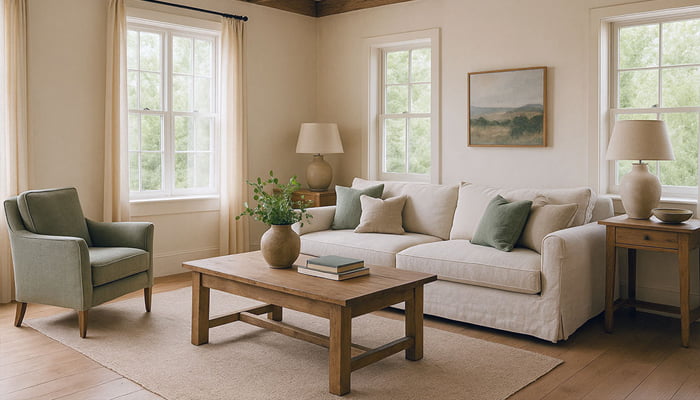
In many well-designed homes, the goal isn’t to stand out—it’s to stay out of the way.
The colors are quiet on purpose. Soft whites, warm grays, natural wood tones. Not because the owners were afraid of color, but because they wanted the house to feel flexible. Furniture can change. Life can change. The house doesn’t fight it.
There’s also restraint. Instead of filling every wall, every corner, every surface, the space is allowed to breathe. That empty wall isn’t “unfinished.” It’s intentional. It gives your eyes—and your mind—a place to rest.
Good design often looks easy because the hard decisions were already made.
You Feel It in the Way the House Flows
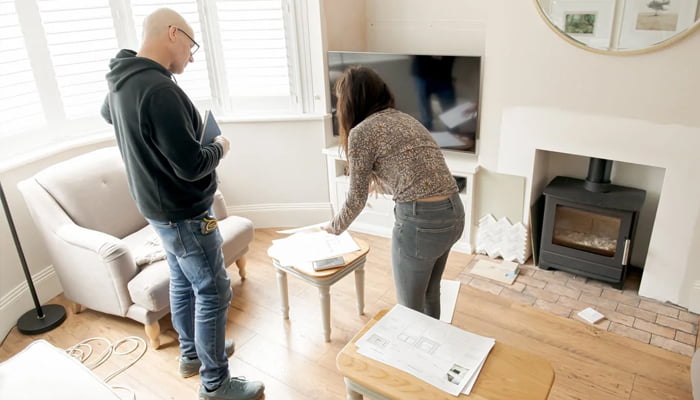
One of the biggest signs of a thoughtfully designed home is how little you think about moving through it.
You don’t bump into things. Doors open without hitting furniture. Walkways feel natural, not forced. The kitchen isn’t gigantic, but everything is where you expect it to be. You’re not walking back and forth just to make a cup of coffee.
These houses respect daily habits.
They understand how people actually live.
Shoes have a place near the door. Bags have a hook. The path from the garage to the kitchen makes sense when your hands are full of groceries. None of it is flashy—but all of it makes life easier.
Light Is Treated Like a Material
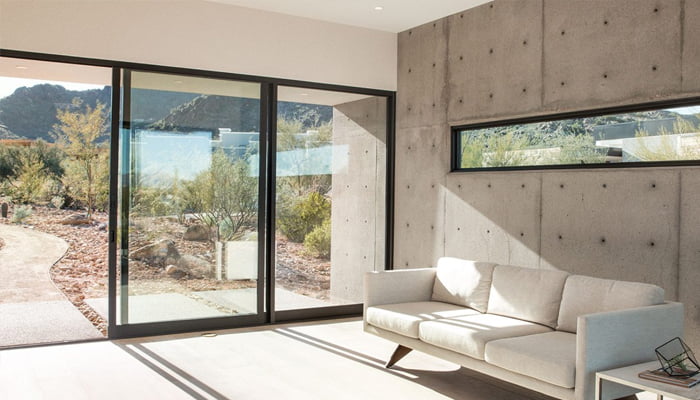
In simple-looking but well-designed homes, light does a lot of the work.
Natural light is used carefully, not aggressively. Windows are placed where they bring in light without sacrificing privacy. Curtains and shades are chosen to soften brightness, not block it completely.
Artificial lighting is layered. Overhead lights aren’t the only option. There are lamps, under-cabinet lights, small fixtures that come on in the evening and make the space feel calmer instead of harsher.
You rarely notice good lighting.
You just notice that you feel better in the room.
Materials Are Chosen for Touch, Not Trends

Another quiet sign of a thoughtful house is how it feels under your hands and feet.
The floors aren’t necessarily expensive, but they feel solid. They don’t echo. They’re comfortable to walk on barefoot. The counters don’t require constant worry. The finishes age gracefully instead of demanding perfection.
These homes avoid materials that look great online but feel stressful in real life. They choose durability over drama. Comfort over bragging rights.
The result is a space that still looks good years later—not because it’s trendy, but because it was chosen carefully.
Storage Is Hidden—but Not Forgotten
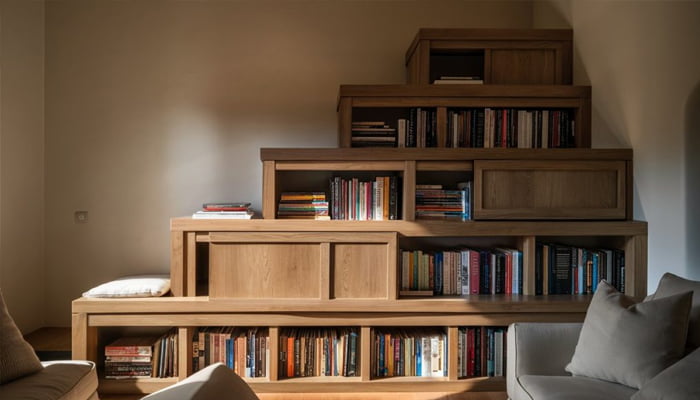
One reason these homes look so calm is simple: clutter has somewhere to go.
Storage isn’t an afterthought. It’s built into the design. Closets are sized realistically. Cabinets go all the way up instead of leaving dust-catching gaps. Furniture often does double duty without screaming about it.
You don’t see shelves stuffed with things because things aren’t forced to live out in the open. When everything has a place, the house naturally feels simpler—even when life isn’t.
Nothing Tries Too Hard
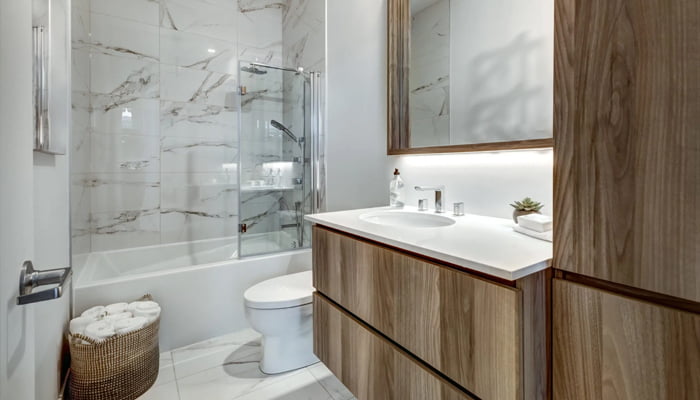
Thoughtfully designed homes don’t chase every trend.
They don’t have five different tile styles in one bathroom or a mix of finishes that need explaining. The design choices feel confident because they’re consistent. The house knows what it is.
This kind of simplicity ages well. It doesn’t feel dated after a few years. It doesn’t need constant updates. It lets the people living there be the focus—not the design itself.
The House Supports Daily Life—Quietly

The biggest difference between a simple house and a thoughtfully designed one is what happens after you move in.
In a well-designed home:
Cleaning feels easier.
Maintenance feels manageable.
You’re not constantly planning “the next thing to fix.”
The house works with you, not against you. It doesn’t demand attention. It doesn’t create extra chores. It quietly supports your routine, day after day.
And that’s why people love these homes so much—even if they can’t quite explain why.
The Best Compliment Is How It Makes You Feel
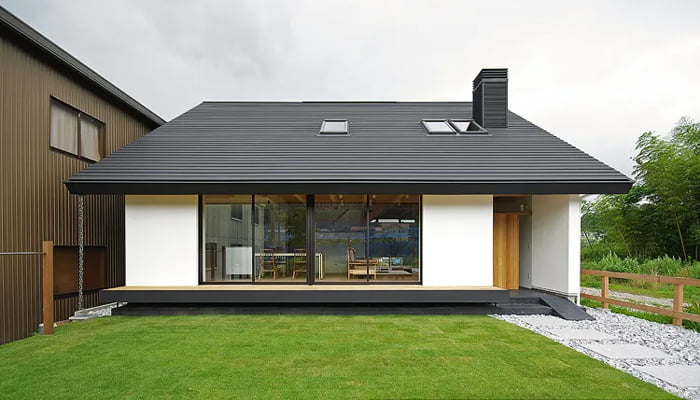
People often walk into these houses and say things like:
“This feels really comfortable.”
“It’s so calm in here.”
“I don’t know why, but I like it.”
That’s the highest compliment good design can get.
Because the best homes aren’t the ones that look impressive for five minutes. They’re the ones that still feel right after five years. The ones that fade into the background and let life happen without friction.
Simple on the surface.
Thoughtful underneath.
And incredibly hard to do well.