
Moving Into a New Home? Here’s What to Do and Buy First

Moving into a new home is exciting, but getting everything ready can take more work than you expect. Between packing boxes, setting up utilities, cleaning rooms, and figuring out where everything belongs, it’s easy to overlook small things that make daily life comfortable.
The trick is to handle the important tasks first and buy only what you actually need. Here’s a practical guide to preparing for moving day, stocking your new home, and avoiding a few common headaches along the way.
1. Handle These Tasks Before Moving Day

A little preparation can save you several trips to the store and a lot of frustration. Before loading up the moving truck, take care of a few essentials.
Set up utilities and internet. Make sure electricity, water, gas, and internet service are ready before you arrive. Some providers need several days to schedule activation, so don’t leave this until the last minute. If you’re renting, check which services are already included in your lease.
Update your mailing address. Submit an address change through the U.S. Postal Service and update your information with banks, insurance companies, subscription services, and other important accounts. This helps prevent bills and important documents from going to your old address.
Measure your rooms and doorways. Before moving large furniture, measure doorways, hallways, staircases, and the spaces where major pieces will go. That oversized couch might look perfect online, but it won’t be much use if it can’t fit through the front door.
Clean before unpacking. An empty home is much easier to clean than one filled with furniture and boxes. Wipe down kitchen cabinets, countertops, bathroom fixtures, shelves, and floors before everything gets moved inside.
2. Pack a First-Night Essentials Box
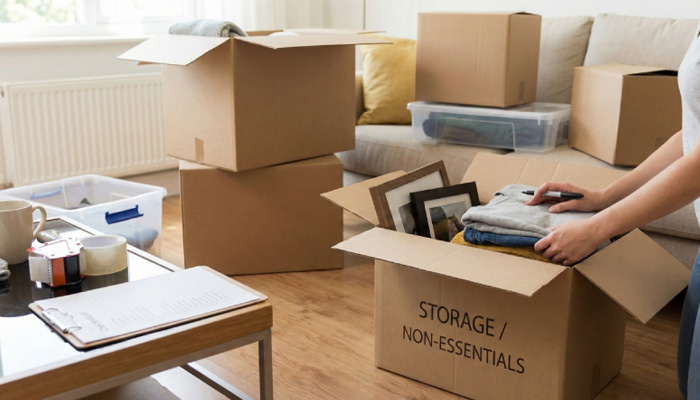
One of the most useful things you can do is pack a separate box or bag for your first night. You probably won’t unpack everything on moving day, and digging through twenty identical cardboard boxes to find a toothbrush isn’t anyone’s idea of fun.
Include these items:
Toilet paper and hand soap
Towels and basic toiletries
Toothbrushes and toothpaste
Phone chargers and power banks
A change of clothes and pajamas
Prescription medications and basic first-aid supplies
Scissors or a box cutter
Snacks, bottled water, and disposable plates
Keep this box somewhere easy to reach, preferably in your car rather than buried in the moving truck. You’ll be glad you did when you’re tired and just want to take a shower and get some sleep.
3. Stock Your Kitchen With Everyday Essentials

You don’t need a fully equipped kitchen on your first day, but having a few basic items makes preparing meals much easier. Start with things you’ll use regularly.
Cooking equipment: A frying pan, a saucepan, a cooking pot, a cutting board, and a decent kitchen knife are enough to handle many everyday meals.
Dining supplies: Pick up plates, bowls, drinking glasses, mugs, forks, spoons, and a few food storage containers. You don’t need an elaborate dinnerware set if you’re still figuring out your kitchen space.
Cleaning supplies: Dish soap, sponges, paper towels, trash bags, and a dish rack will help keep things manageable after cooking.
A microwave, coffee maker, or toaster may also be worth buying if you use them frequently. Just avoid filling your counters with appliances before you know how much space you actually have.
4. Don’t Overlook Bathroom and Bedroom Essentials
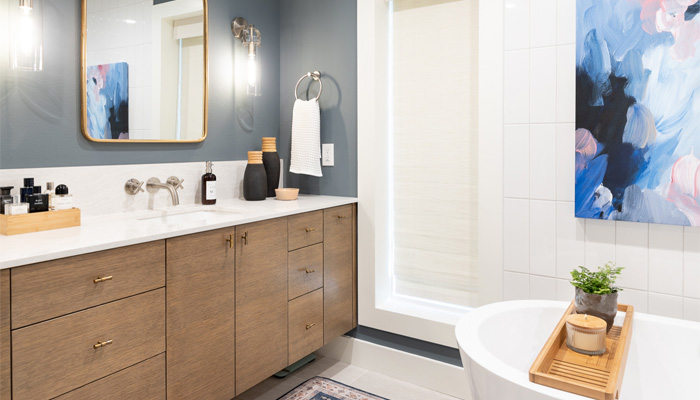
These are two areas where missing just one basic item can make your first few days uncomfortable.
For the bathroom, prioritize:
Shower curtain and liner, if needed
Bath towels and hand towels
Bath mat
Toilet brush and plunger
Hand soap and shampoo
Toothbrush holder and basic toiletries
A shower curtain is especially easy to forget. If your bathroom doesn’t have a glass shower door, you’ll want one before your first shower.
For the bedroom, focus on getting a comfortable place to sleep. A mattress, pillows, sheets, blankets, and a bed frame should come before decorative furniture. Add hangers, a laundry basket, and a bedside lamp to make the room more functional.
Curtains or blinds are also worth addressing early. They provide privacy, help control sunlight, and can make an unfamiliar room feel more comfortable.
5. Get Cleaning Supplies and Basic Tools
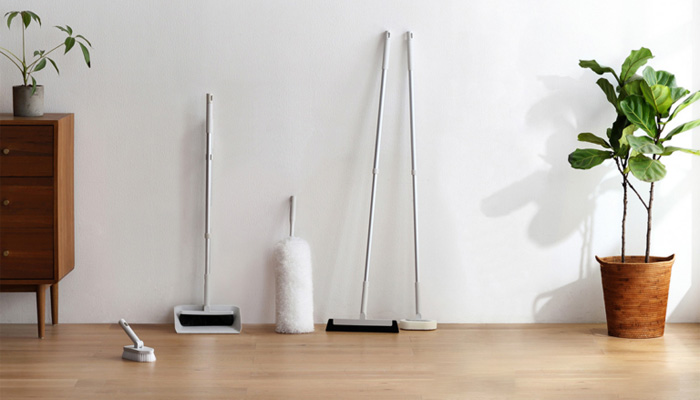
Even a recently cleaned home will need regular maintenance. A few supplies can handle most everyday messes without requiring a different product for every surface.
Consider buying:
Broom and dustpan
Mop or floor cleaner
Vacuum cleaner
All-purpose cleaning spray
Microfiber cloths
Laundry detergent
Scrub brushes and sponges
Laundry basket
A basic home tool kit is another smart purchase. Look for a set with screwdrivers, a hammer, pliers, a tape measure, and an adjustable wrench. These tools come in handy when assembling furniture, tightening loose handles, or hanging pictures.
You may also want a flashlight, spare batteries, and an extension cord. Small items like these are easy to overlook but useful when you need them.
6. Check Home Safety Before Settling In

Before you get too comfortable, take some time to check the basic safety features around your new home.
Make sure smoke alarms and carbon monoxide detectors are installed and working. If the home has a fire extinguisher, check that it’s accessible and hasn’t expired. Keep a first-aid kit somewhere easy to find.
It’s also helpful to locate your electrical panel, water shut-off valve, and gas shut-off point, if applicable. Knowing where these are before an emergency happens can save valuable time.
Check exterior doors and windows to make sure locks work properly. If you’re renting, talk to your landlord before making changes to locks, alarms, or other installed equipment. Homeowners may also want to consider whether existing locks need to be rekeyed.
7. Inspect Your New Home During the First Week
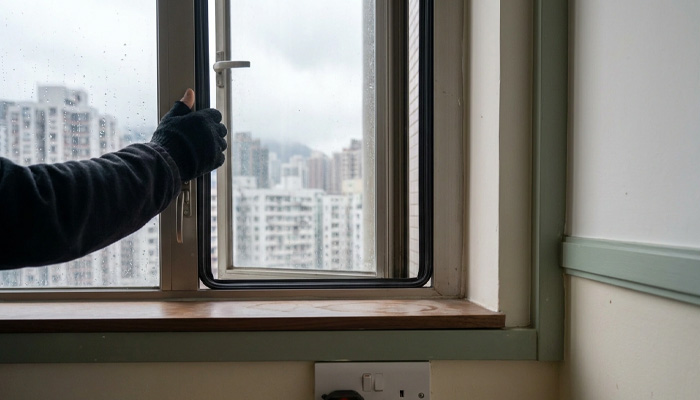
Once the boxes are inside, don’t rush straight into decorating. Spend a little time checking how everything works.
Run the faucets and showers, flush the toilets, and look for slow drains or signs of leaks. Test light switches and outlets, and check that major appliances are working properly.
Look around windows, under sinks, and along baseboards for signs of pests or water damage. If you’re renting, take photos of existing damage and report any problems to the landlord promptly. This gives you a record of the home’s condition when you moved in.
You should also check whether your heating and cooling systems work as expected. Finding a problem early is much easier than discovering it during the first heat wave or cold spell.
8. Save These Purchases for Later

It’s tempting to buy everything at once, especially when you’re excited about decorating a new space. But some purchases can wait until you’ve lived there for a while.
Decorative pillows, wall art, rugs, extra furniture, specialty kitchen gadgets, and fancy storage organizers are good examples. You might discover that you don’t need half of them once you understand how you actually use each room.
Start with comfort, cleanliness, and safety. Then add furniture and decorations gradually, based on your available space and budget.