
How to Take Stunning Wedding Photos Without Being a Professional Photographer
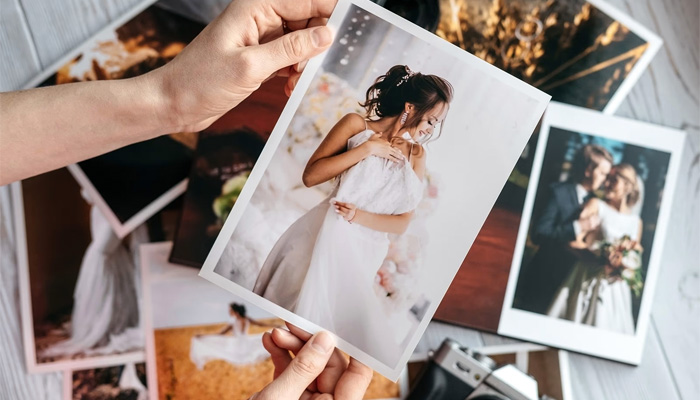
You don’t need an expensive camera or professional photography skills to take beautiful wedding photos. Whether you’re a guest capturing memories on your phone or helping the couple get a few great shots, a little planning can make a big difference. The right lighting, a flattering angle, and a few natural poses can turn an ordinary snapshot into a photo worth keeping.
Here’s how to take wedding photos that look polished, feel natural, and capture the best moments of the day.
1. Find the Best Light
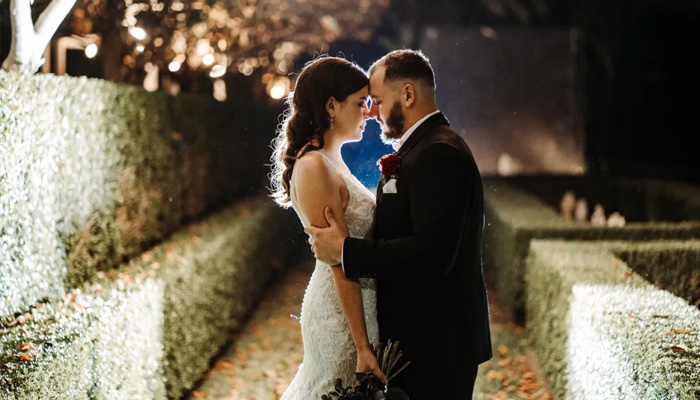
Lighting can make or break a wedding photo. If you’re shooting outdoors, look for soft, indirect light under a tree or near a shaded building. Late afternoon is often ideal for portraits because the sunlight tends to look warmer and softer. Avoid harsh midday sunlight when possible, as it can create strong shadows and make people squint.
For indoor weddings, try taking photos near a window or in a well-lit area. Natural light often makes skin tones look more even and brings out the details of dresses and decorations. Before gathering everyone for a photo, take a quick test shot. Sometimes, moving just a few steps can make the lighting noticeably better.
2. Choose a Clean Background
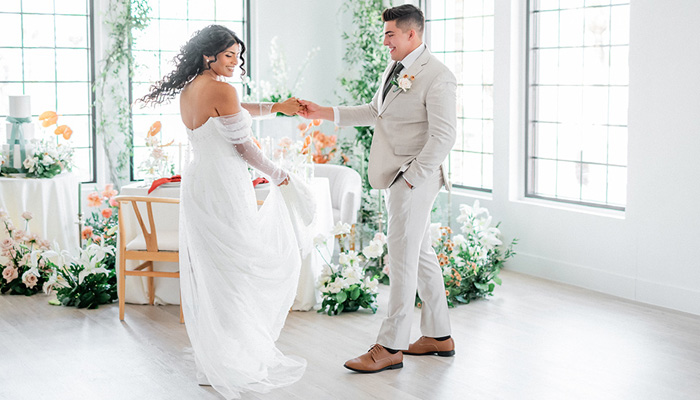
A beautiful background adds atmosphere without distracting from the people in the picture. Look for flower arches, garden paths, decorated staircases, or simple walls with interesting textures. You don’t need the most elaborate spot at the venue; a quiet corner with good lighting can produce a more attractive photo than a crowded area filled with decorations.
Before pressing the shutter, check the edges of your frame. Stray chairs, trash cans, exit signs, and other distractions can take attention away from the couple. If something looks out of place, change your position slightly or adjust the framing. Leave enough space around your subjects so the image feels balanced rather than crowded.
3. Find a Flattering Camera Angle
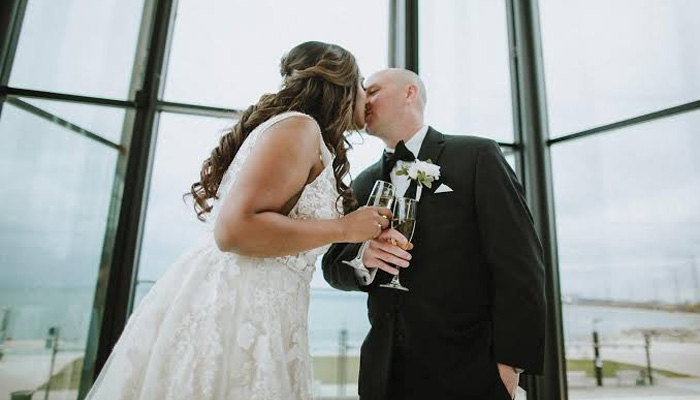
The angle of your camera can change how people look in a photo. For most standing portraits, hold your phone around chest or eye level and keep it relatively straight. Shooting from an extreme low angle can distort proportions, while holding the camera too high may make people appear smaller. Take a few shots from slightly different heights to see what works best.
When photographing a couple, step back a little instead of holding your phone extremely close to their faces. This helps avoid facial distortion and captures more of the setting. If you want a full-length portrait, make sure their feet aren’t accidentally cut off. You can also use the grid on your phone to help position people and keep the background level.
4. Make Poses Look Natural
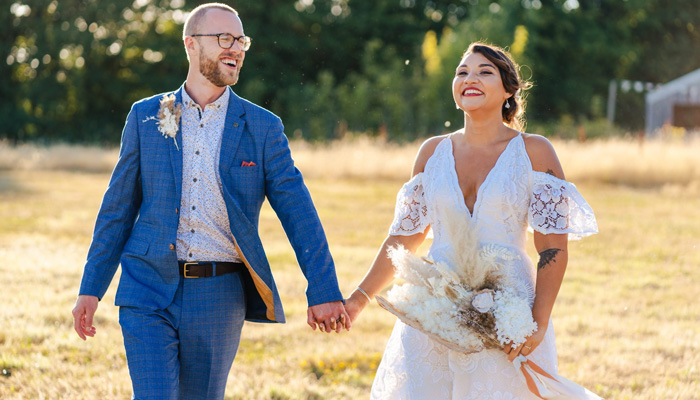
Not everyone feels comfortable in front of a camera, and asking people to stand still and smile can make them look stiff. Instead, give them something simple to do. Ask the couple to walk together, hold hands, look at each other, or share a quick conversation. These small actions encourage natural expressions and create photos that feel less staged.
For group pictures, give everyone a moment to get comfortable before taking the shot. Ask people to stand close enough to fit the frame, check that faces aren’t hidden, and make sure bouquets or glasses don’t block anyone. Take several pictures in a row, since someone may blink or look away at the wrong moment. A few extra shots can save an otherwise great group photo.
5. Capture the Small Details
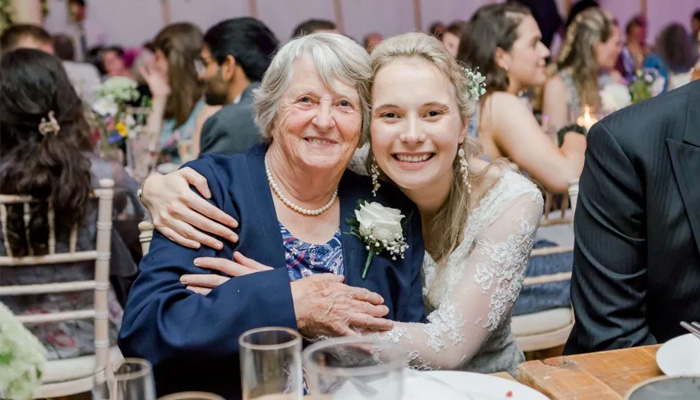
Wedding photos aren’t just about the couple’s portraits. Details such as the rings, invitations, bouquets, table settings, and wedding cake help tell the story of the day. Take close-up shots of these items before guests move them around. Try photographing them near a window or against a simple background so their colors and textures stand out.
Look for meaningful moments throughout the celebration, too. A parent adjusting a veil, friends laughing during cocktail hour, or the couple holding hands during a speech can become some of the most memorable pictures. Mix wide shots that show the venue with closer images of people and details. If you’re a guest, remember to enjoy the wedding instead of spending the entire day behind your screen.
6. Get Better Results With Your Phone
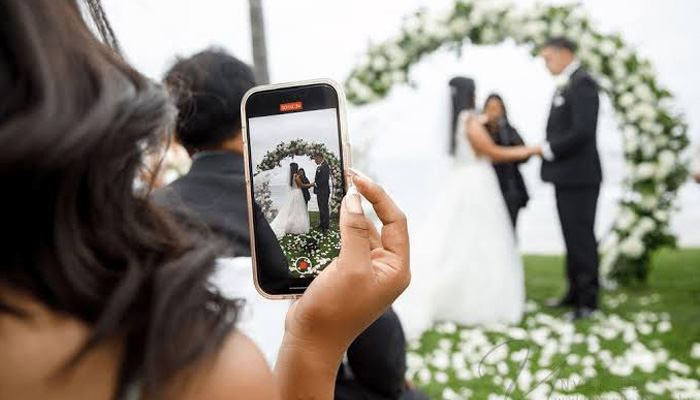
A smartphone can take excellent wedding photos when you use its basic features well. Start by cleaning the camera lens with a soft cloth, since fingerprints can make pictures look hazy. Tap the screen to focus on your subject, and adjust the exposure if the image looks too bright or too dark. If the white wedding dress loses its details, lowering the exposure slightly may help.
Be careful with digital zoom, which can make photos look blurry or grainy. When possible, move closer to your subject instead. Portrait mode can create attractive background blur, but check the result around hair, veils, and flowers. In dim venues, look for a brighter spot and hold your phone steady before using the flash, which can create harsh shadows and unnatural colors.
7. Take Candid Photos Respectfully
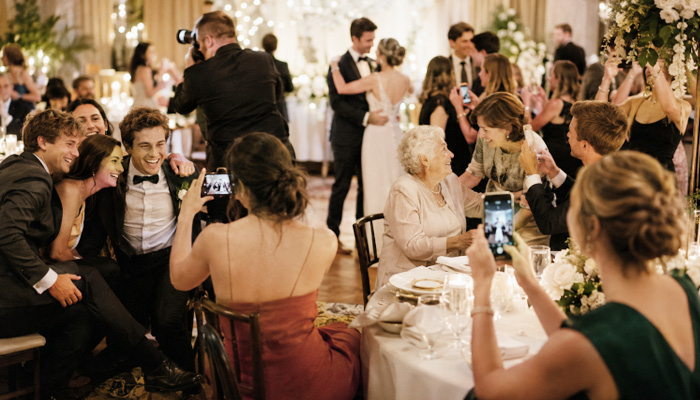
Candid photos capture the moments that happen between formal portraits. Watch for guests greeting one another, people laughing during speeches, children dancing, or the couple sharing a quiet moment. Keeping your camera ready during important parts of the celebration helps you capture genuine reactions without constantly asking people to pose.
Respect people’s privacy and the couple’s photography preferences. Some ceremonies restrict phone use, and standing in the aisle to get a better angle can block other guests’ views. Keep a reasonable distance and avoid interrupting conversations. Before sharing pictures online, consider whether the people in them are comfortable being photographed and posted, especially when children are involved.
8. Edit Photos Without Overdoing It
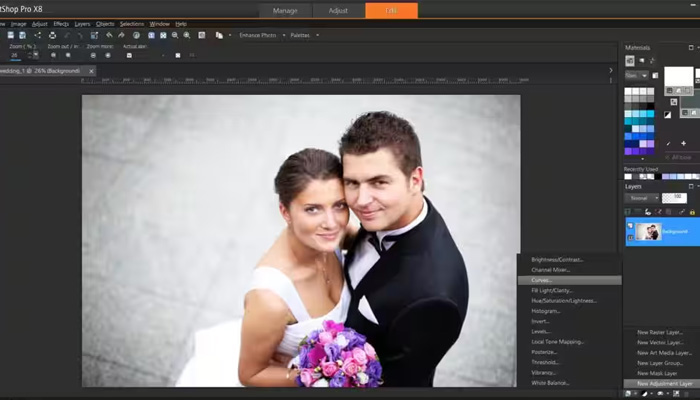
A little editing can make an ordinary wedding photo look more polished. Start by straightening the image and cropping out distracting objects. Then make small adjustments to brightness, contrast, and warmth. If indoor lighting makes the photo look too yellow, reduce the warmth slightly. If the image appears flat, a modest contrast adjustment may bring out more detail.
Avoid excessive filters, artificial skin smoothing, or colors that make the wedding dress and flowers look unrealistic. The goal is to improve the original photo, not make it look completely different. If you’re sharing several pictures, use similar editing settings so the collection feels consistent. Save the original images before making changes, just in case you want to try another look later.
Make Every Wedding Photo Count
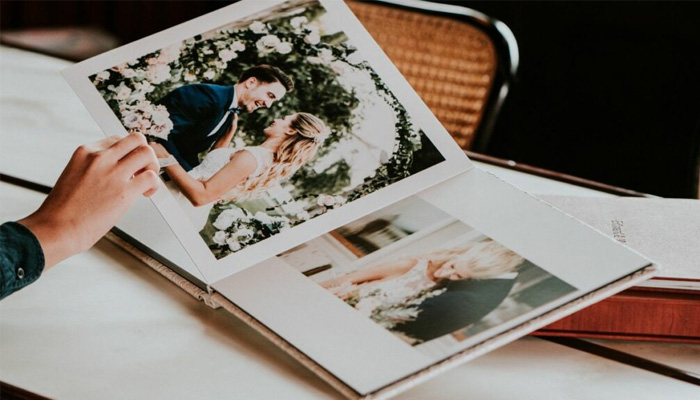
Beautiful wedding photos don’t require expensive equipment or complicated techniques. They come from finding good light, choosing thoughtful backgrounds, helping people relax, and noticing the small moments that make the day special.
Before the next wedding, remember three things: check your lighting, take more than one shot, and look for genuine interactions. With a little practice, you can capture photos that feel personal, look polished, and bring back the joy of the celebration long after the last dance.