
How to Make a Small House Look More Expensive Without Making It Feel Crowded
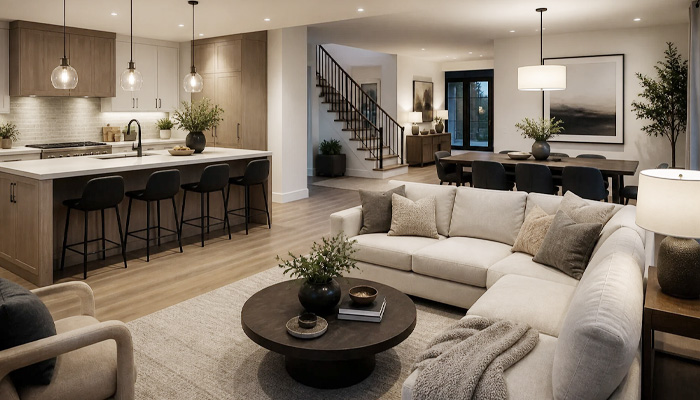
A small house can look surprisingly polished without expensive furniture, major renovations, or a designer-sized budget. The trick is not to fill every empty corner. It is to make each piece feel intentional.
If your rooms often look a little cramped, mismatched, or unfinished, a few changes in color, scale, lighting, and texture can make a bigger difference than buying more decor. Here are some practical ways to give a small home a more elevated look while keeping it comfortable and livable.
1. Start With One Simple Color Palette
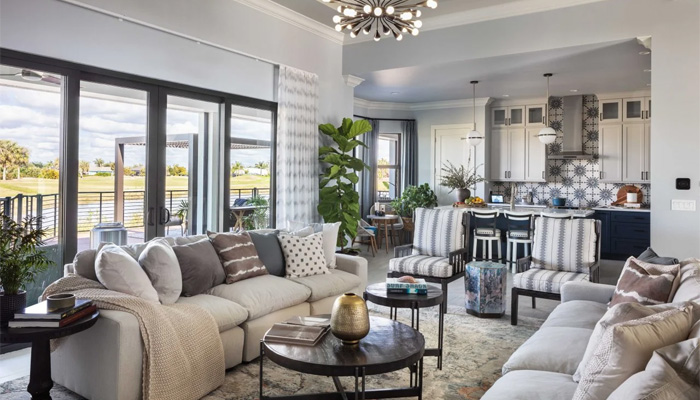
Small homes can become visually busy very quickly. Too many unrelated colors make separate pieces compete for attention, which can make the whole house feel even smaller.
Instead, choose a simple base palette and repeat it throughout the home. Warm white, soft beige, muted green, light gray, or creamy tan can work well as background colors. Then bring in one or two deeper colors through pillows, artwork, rugs, curtains, or smaller furniture.
You do not have to make every room identical. Repeating a few colors is enough to create a connection between spaces. That consistency can make a small house feel more thoughtfully designed rather than like a collection of random purchases.
2. Stop Buying Furniture That Is Too Big

One of the fastest ways to make a small house feel cramped is choosing furniture based on what looks good in a large showroom.
A deep sofa, oversized coffee table, or bulky cabinet may look impressive in a store but leave very little breathing room at home. Before buying anything, measure the room and think about walking paths as carefully as the furniture itself.
That does not mean every piece needs to be tiny. In fact, using too many small pieces can make a room look cluttered. A better approach is to choose fewer pieces with proportions that actually fit the space. Reddit discussions about small homes repeatedly point to scale and proportion as important foundations for making compact rooms work.
3. Give Your Furniture Some Breathing Room
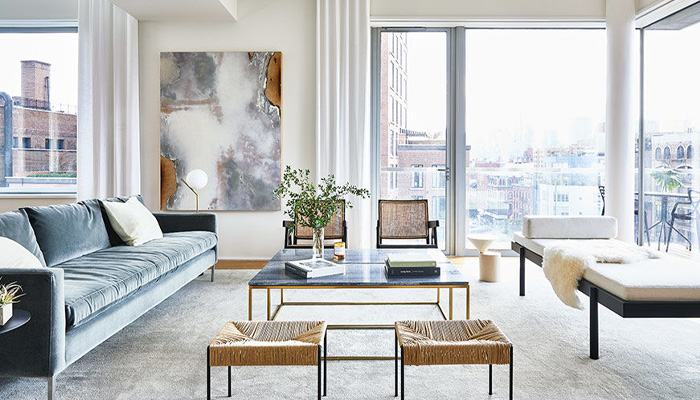
You do not need to push every piece against a wall.
Even a small gap between a sofa and wall, or between furniture and a cabinet, can make a room feel less packed. The goal is to create clear visual and walking paths so the eye can move through the room easily.
Try removing one unnecessary chair or side table before adding another decorative item. A little empty space can actually make the furniture you keep look more expensive.
This is especially useful in living rooms. Instead of filling every available spot, choose one main seating arrangement and allow it to become the visual focus.
4. Use Lighting to Create Layers
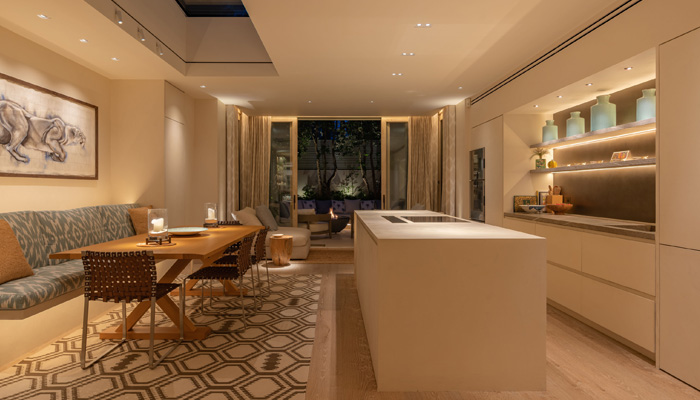
A single bright ceiling fixture can make a small room feel flat and harsh. Better lighting can completely change the mood without changing the floor plan.
Think in layers. Keep your main ceiling light, then add a table lamp, floor lamp, wall light, or small accent lamp where needed. Warm-toned bulbs can also make wood, textiles, and neutral colors feel softer.
Recent designer-focused home content has continued to emphasize layered lighting as an easy way to make a room feel warmer and more inviting.
The best part is that lighting can be changed without replacing the major furniture. Even a simple lamp in the right location can make a room feel more finished.
5. Add Texture Instead of More Stuff
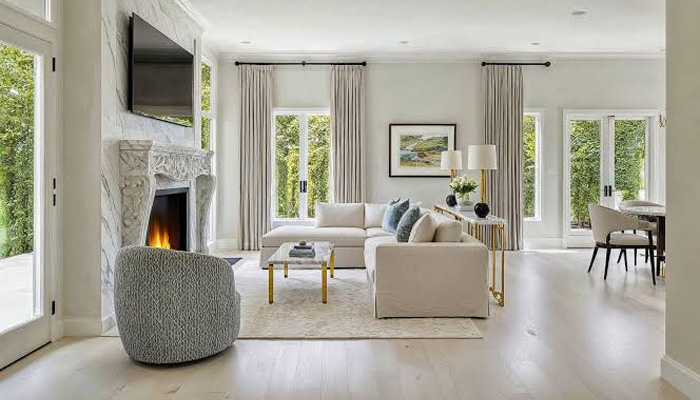
When a small room feels boring, the natural reaction is often to buy more decorations. That can create the opposite effect.
Instead, add texture. A woven basket, linen curtain, wood stool, textured throw, ceramic vase, wool rug, or upholstered chair can give a room more visual depth without requiring dozens of objects.
Try combining materials rather than collecting decorations. For example, smooth walls can be balanced with wood, woven materials, soft fabric, and a little metal.
This layered approach is also appearing in current small-home content, where the focus is shifting toward curated textures, natural materials, vintage pieces, and intentional styling rather than simply maximizing the amount of decor.
6. Make Storage Look Like Part of the Design
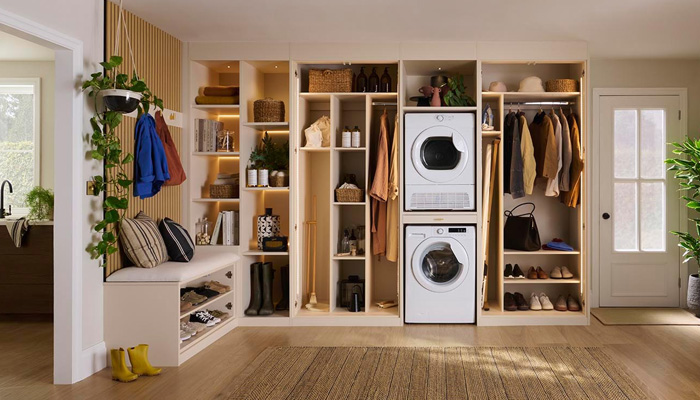
Storage is one of the biggest challenges in a small house, but it does not have to look purely functional.
Whenever possible, choose storage that blends into the room. Closed cabinets can hide everyday clutter, while a few open shelves can display attractive books, ceramics, plants, or artwork.
Use vertical space when the floor is limited. Tall bookcases, wall-mounted shelves, hooks, and cabinets can give you more storage without taking up much additional floor area.
Pinterest’s current small-space guidance also emphasizes treating compact homes as distinct zones and using vertical storage rather than simply filling every available surface.
7. Create One “Expensive-Looking” Focal Point
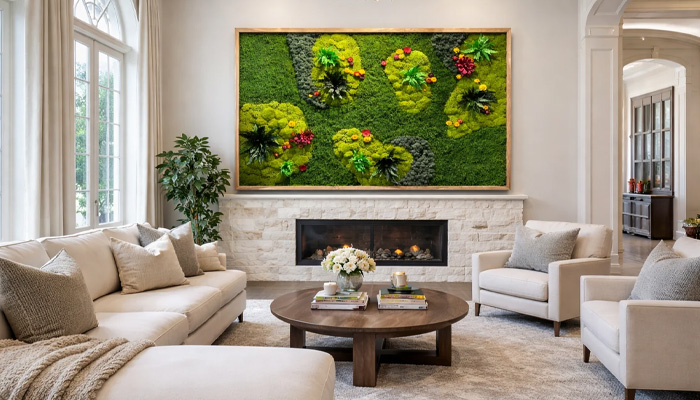
You do not need every item in the house to look luxurious. Pick one area and make it special.
It could be a beautiful pendant light over a small dining table, a large piece of artwork above the sofa, a statement mirror in the entryway, or a well-styled fireplace.
The rest of the room can remain simple. In fact, the contrast often makes the focal piece stand out more.
A common mistake is putting several statement pieces in one small room. If everything demands attention, nothing really gets it.
8. Hang Curtains Higher and Wider
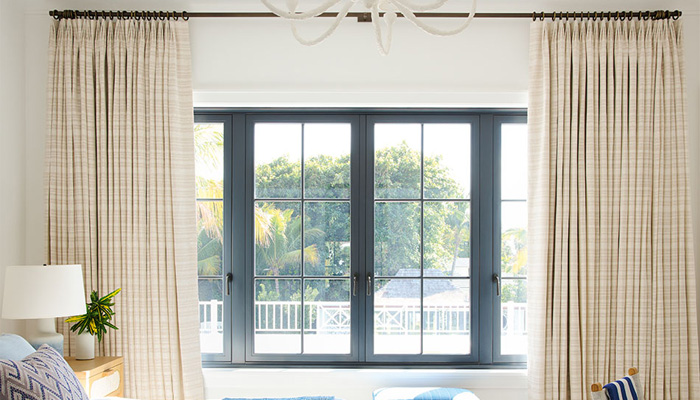
Windows are another place where a small change can make a room feel more polished.
Instead of mounting curtain rods directly above the window frame, consider placing them higher and extending them beyond the sides of the window when the layout allows. Curtains that reach close to the floor can also create a stronger vertical line.
The goal is not to make the window itself larger. It is to make the wall feel taller and more finished.
Current interior-design coverage continues to flag poorly placed or undersized curtains as one of the details that can make an otherwise updated home look dated.
9. Use Mirrors Carefully
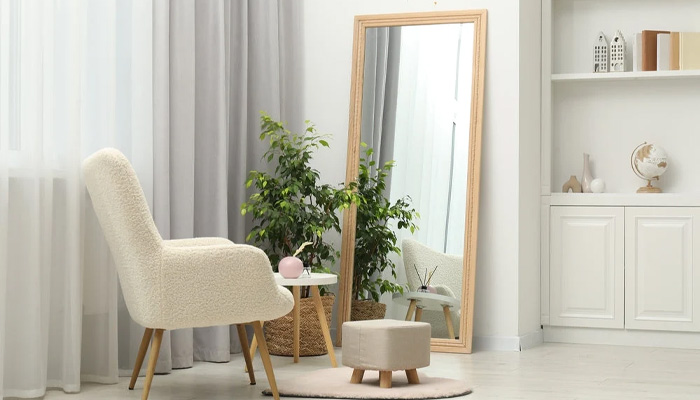
A mirror can help reflect light and create the impression of additional depth, but more mirrors are not automatically better.
Choose one that suits the room and place it where it reflects something attractive, such as a window, artwork, or a well-lit part of the space.
An oversized mirror can become a focal point, while a collection of smaller mirrors may create unnecessary visual noise in a compact room.
Think about what the mirror will reflect before you hang it. Reflecting a pile of shoes or a crowded countertop will not make the room feel more luxurious.
10. Edit the Room Before You Decorate It
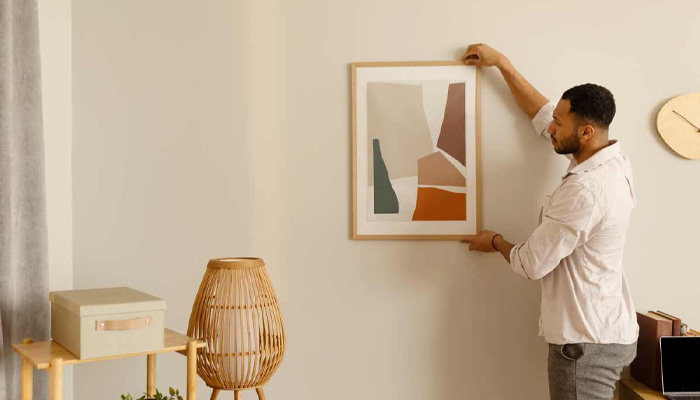
This may be the cheapest upgrade of all.
Walk through the room and remove anything that does not serve a purpose, look attractive, or have sentimental value. You may discover that the room does not actually need another storage basket, pillow, plant, or wall decoration.
Small-space homeowners frequently describe this problem: online inspiration often shows beautiful homes that are much larger or more expensive than ordinary homes, making the ideas difficult to copy directly.
Instead of trying to recreate an entire room, borrow one idea at a time. Keep the furniture that works, remove what creates clutter, improve the lighting, introduce a consistent palette, and add a few textures.
A small house does not need to pretend to be a large house. When the layout is clear and every visible piece has a reason to be there, even a modest home can feel calm, comfortable, and surprisingly refined.