
Strange Things You Never Notice About Everyday Houses Around the World

Houses may look familiar no matter where you go, but small details hidden in their structure often reveal surprising differences. These differences are not random—they are shaped by climate, culture, and daily living habits. When you start paying attention, even ordinary homes begin to look more interesting, as every feature has a practical or cultural reason behind it.
1. Climate Shapes House Design
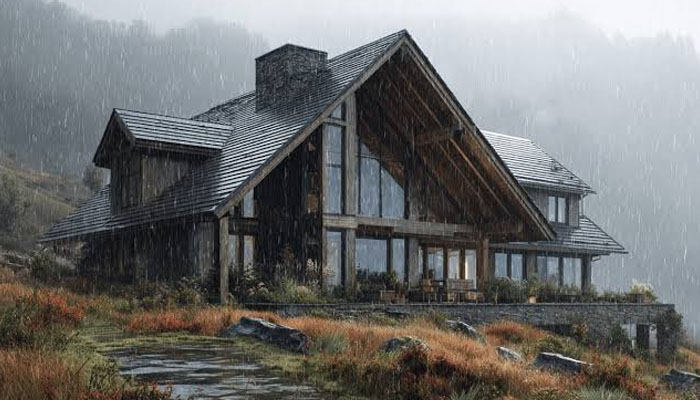
One of the biggest reasons houses look different around the world is climate. In cold regions, homes are built to retain heat, while in hot areas, they are designed to stay cool. This creates hidden but important differences in structure that most people never consciously notice. For example, thick insulation and compact layouts help trap warmth in snowy regions, while open airflow and shaded spaces are more common in tropical climates. Even the spacing between buildings can reflect temperature control needs, with dense housing helping retain heat and open layouts promoting ventilation. These design choices are so natural to local residents that they often go unnoticed.
2. Roof Shapes Tell a Story

Roof design is one of the most overlooked yet meaningful parts of a house. Steep roofs are common in areas with heavy snow because they prevent accumulation and reduce structural stress, while flat roofs are often found in dry or warm climates where rain and snow are less of a concern. In some regions, roofs also serve additional purposes such as collecting rainwater or providing outdoor living space. Cultural influence can also be seen in roof shapes, where traditional styles reflect historical building techniques passed down for generations. What looks like a simple design choice often carries deep environmental logic.
3. Doors and Entryways Differ Greatly
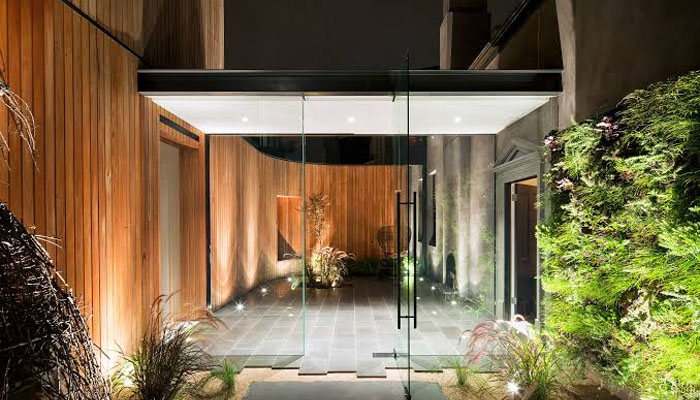
The way people enter their homes varies more than most realize. In some countries, entrances are small and enclosed to preserve indoor temperature, while in others, wide and open doorways help with airflow and social interaction. Certain cultures also include double-door systems or entry corridors that act as temperature buffers. In many homes, removing shoes before entering is a standard practice, influencing the design of entry spaces with dedicated storage areas. These subtle differences shape the first impression of a house without most visitors ever noticing why.
4. Windows Serve More Than Light
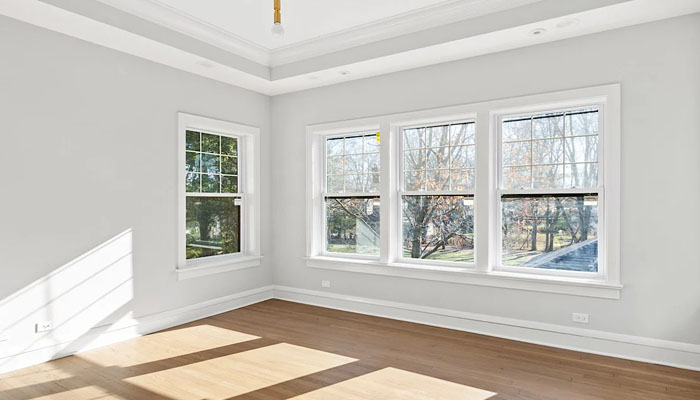
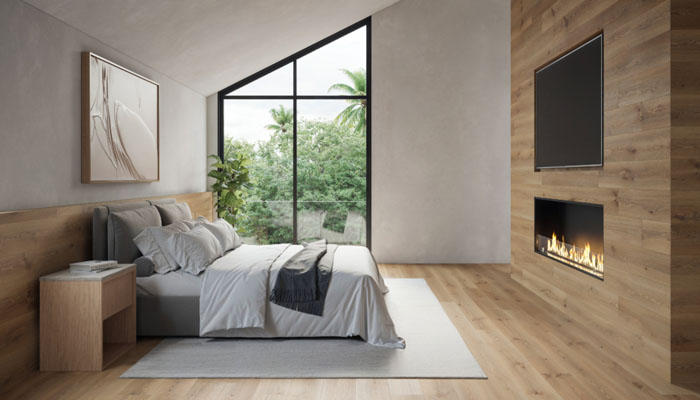
Windows are often seen as simple sources of light, but their design serves many hidden functions. In colder climates, windows are smaller and more insulated to prevent heat loss, while in warmer regions they are larger to encourage airflow. Some homes use shutters, grills, or sliding panels for security, privacy, or weather protection. Placement also matters, as windows are often positioned to capture natural breezes or avoid direct sunlight during the hottest parts of the day. These variations show how a basic feature can adapt to completely different living needs.
5. Kitchens Reflect Lifestyle Habits
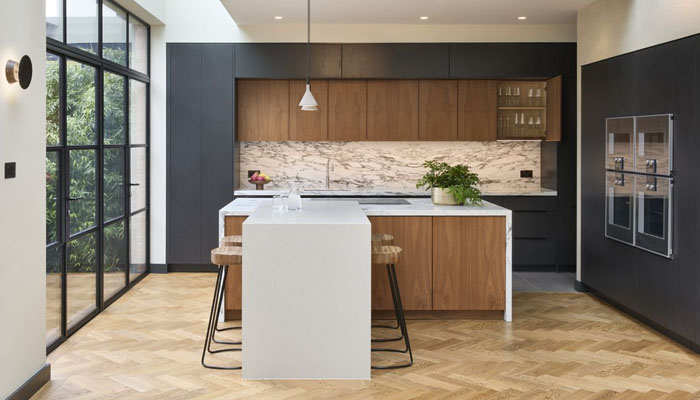
Kitchen layouts reveal a lot about how people live, cook, and socialize. In some homes, kitchens are fully open and connected to living spaces, encouraging interaction and shared meals. In others, they are closed off to contain heat, smoke, or strong cooking smells. Cultural cooking styles also influence ventilation systems, storage design, and appliance placement. For example, homes with frequent frying or spice-heavy cooking often require stronger ventilation systems. Even the size and shape of kitchen storage reflect how often fresh ingredients are used versus packaged goods. These differences are subtle but deeply tied to daily routines.
6. Floors Adapt to Environment
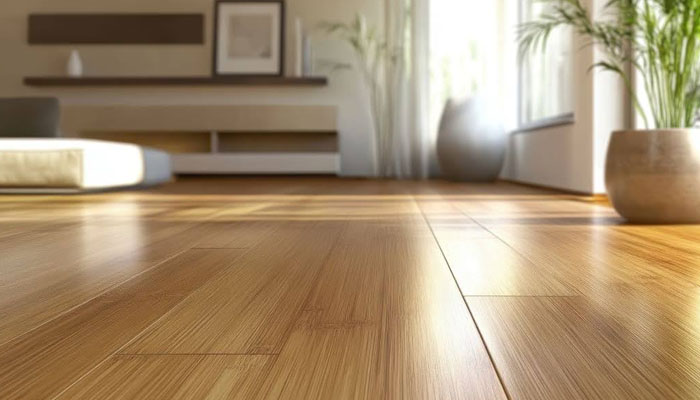
Flooring materials are another detail most people overlook, yet they are highly practical. In hot regions, tile or stone floors help keep interiors cool, while wooden floors are more common in colder climates because they retain warmth. In flood-prone areas, houses may be built on raised platforms to protect interiors from water damage. Even the texture and finish of flooring can be chosen for durability, humidity resistance, or comfort. These decisions are rarely noticed by visitors but are essential for long-term living conditions.
7. Hidden Storage Everywhere
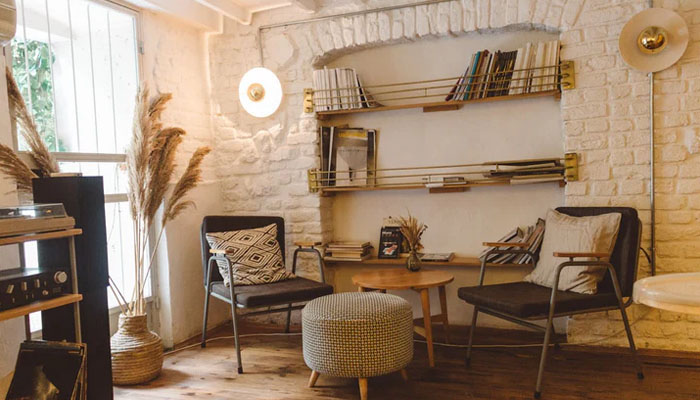
Many homes include storage solutions that are so integrated into the structure that they go unnoticed. Built-in wall niches, under-stair compartments, and hidden cabinets are common in small or space-efficient houses. In compact living environments, furniture is often designed with storage built inside, reducing clutter without adding extra items. Some cultures also emphasize minimal visible storage to maintain a clean interior appearance. These hidden spaces make everyday living easier while keeping the home visually simple and organized.
8. Outdoor Spaces Are Part of the House
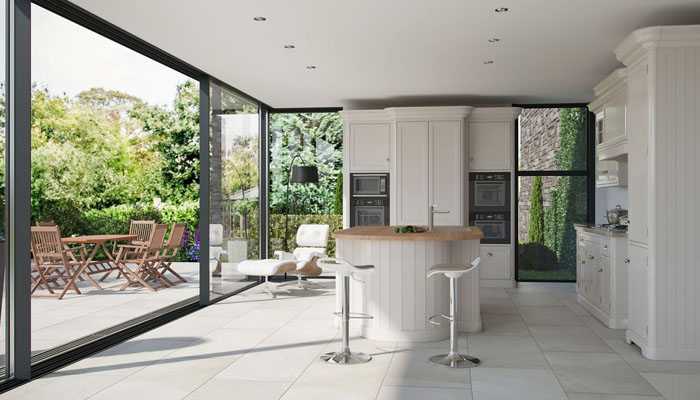
In many regions, a house is not limited to its interior walls. Outdoor spaces like courtyards, porches, balconies, or terraces are considered extensions of daily living areas. In warmer climates, outdoor courtyards often serve as cooling zones and social gathering spaces. In urban environments, balconies provide limited but essential access to fresh air and outdoor views. The way these spaces are used varies widely, but they consistently reflect how people interact with their environment beyond the home’s interior.
9. Why These Differences Often Go Unnoticed
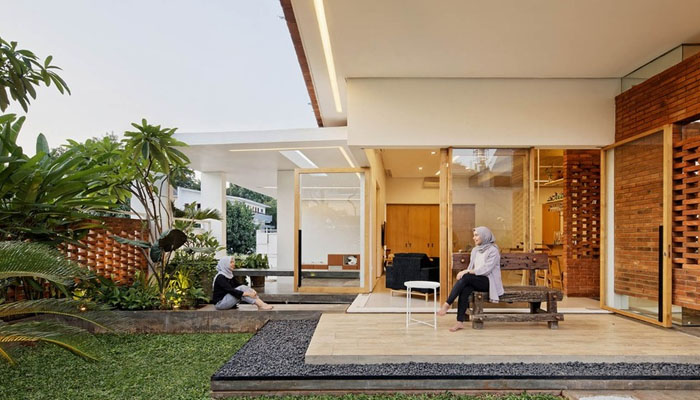
Most people do not consciously notice these design variations because they are shaped by familiarity. When someone grows up in a certain type of house, its features feel normal, even though they may be very different elsewhere. Cultural habits and environmental adaptation become invisible over time, blending into everyday life. However, when comparing houses globally, these small details reveal a surprising amount about how people live.
Conclusion
Everyday houses may appear simple at first glance, but they contain layers of design decisions shaped by climate, culture, and lifestyle. Roofs, windows, kitchens, and even flooring all carry hidden logic that reflects the environment and daily habits of the people living inside. Once you begin to notice these subtle differences, ordinary homes become far more interesting, revealing how deeply human life is connected to architecture.