
Everyday Foods That Look Healthy but May Be Misleading

Many foods seem healthy at first glance. They are often labeled as “light,” “natural,” or “made with real ingredients,” which makes them feel like good choices. But in daily life, appearances can be misleading. Some of these foods contain hidden sugars, heavy processing, or unbalanced nutrients that reduce their real health value. Understanding what is actually inside these foods can help you make better everyday decisions without changing your entire diet.
1. Flavored Yogurt

Yogurt is often associated with healthy eating because it contains protein and beneficial bacteria. However, this positive image can change quickly once flavors are added. Many flavored versions include significant amounts of added sugar to improve taste.
What looks like a simple and nutritious snack can sometimes contain sugar levels closer to dessert foods. This can lead to quick energy spikes followed by sudden drops, leaving you feeling tired or hungry again sooner than expected.
A more balanced choice is plain yogurt. It allows you to control sweetness by adding fresh fruit, nuts, or seeds. This keeps the nutritional benefits while avoiding unnecessary sugar intake.
2. Oat-Based Breakfast Mixes
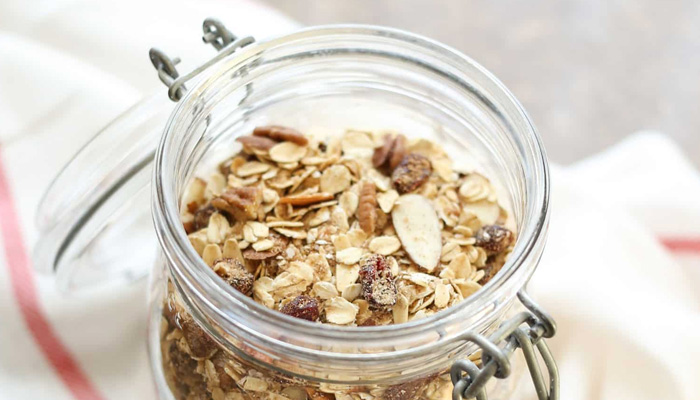
Breakfast mixes made from oats and dried ingredients are often seen as a smart way to begin the day. They are marketed as natural and wholesome, but many versions contain added syrups, oils, or sweeteners.
Even though the base ingredient may be oats, the final product can become highly processed and calorie-dense. This means it may not keep you full for as long as expected, even if it seems healthy on the surface.
A better approach is to prepare plain oats and add your own ingredients. This keeps the meal simple while giving you full control over sugar and fat content.
3. Fruit Juice

Fruit juice is often seen as a healthy drink because it comes from fruit. However, the juicing process removes fiber, which is one of the most important parts of whole fruit.
Without fiber, the natural sugars in fruit are absorbed much faster by the body. This can lead to quick energy increases followed by energy crashes. It can also make you feel less full, causing you to consume more calories overall.
Whole fruit is generally a better choice because it provides fiber, chewing satisfaction, and more stable energy release throughout the day.
4. Salad Dressings

Salads are widely considered one of the healthiest meal options. However, what you add on top of them can significantly change their nutritional value. Many bottled dressings contain sugar, salt, and oils that increase calorie content without adding meaningful nutrition.
Even small portions can add up quickly, especially when poured without measuring. This can turn a light meal into something much heavier than expected.
A simpler alternative is using basic ingredients like olive oil, vinegar, or lemon juice. These options add flavor while keeping the meal closer to its natural nutritional profile.
5. Vegetable-Based Snacks

Snacks made from vegetable ingredients often feel like a healthier alternative to traditional fried snacks. However, the processing methods used to create them usually reduce their natural nutritional benefits.
After being processed and seasoned, they may still contain high levels of salt and fat. The original vegetable content becomes less meaningful compared to the final product composition.
These snacks are not necessarily “bad,” but they should not be treated as everyday health foods. They are better suited as occasional treats rather than regular parts of a diet.
6. Blended Fruit Drinks

Blended fruit drinks are often seen as nutritious because they contain fruit. However, depending on how they are made, they can contain large amounts of sugar, especially when multiple fruits are combined in large portions.
Without careful balance, these drinks may lack protein or fiber, which are important for stable energy levels. This can lead to rapid blood sugar changes that do not keep you satisfied for long.
A more balanced version includes vegetables, moderate fruit portions, and a source of protein or healthy fat. This helps create a more stable nutritional profile.
7. Flavored Instant Oats
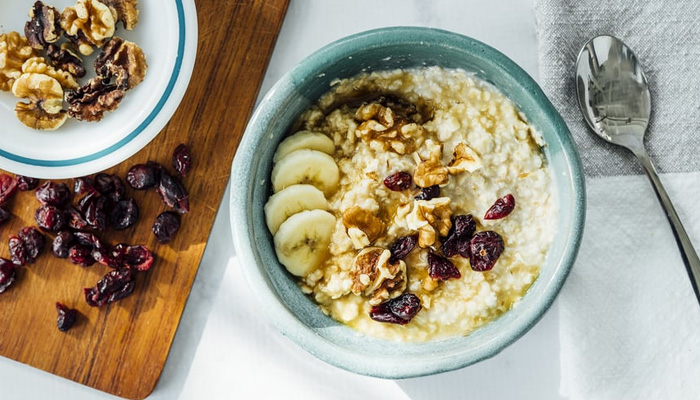
Oats are widely considered a healthy breakfast base, but instant flavored versions often contain added sugar and artificial flavoring. These additions can significantly change the nutritional quality of the meal.
While convenient, they may turn a simple whole grain into a sweetened product that behaves more like a dessert than a balanced breakfast.
Choosing plain oats and customizing them yourself is a more reliable way to maintain control over your nutrition while still enjoying convenience.
Conclusion

Many foods that appear healthy are influenced by convenience, marketing, or taste enhancements. They are not necessarily harmful, but they may not provide the nutritional benefits people expect. The key is awareness—understanding what is added, what is removed, and how processing changes the final product. Small adjustments in everyday choices can make a meaningful difference in long-term health without requiring a strict diet or major lifestyle changes.