
How to Grow and Care for a Rubber Plant Indoors
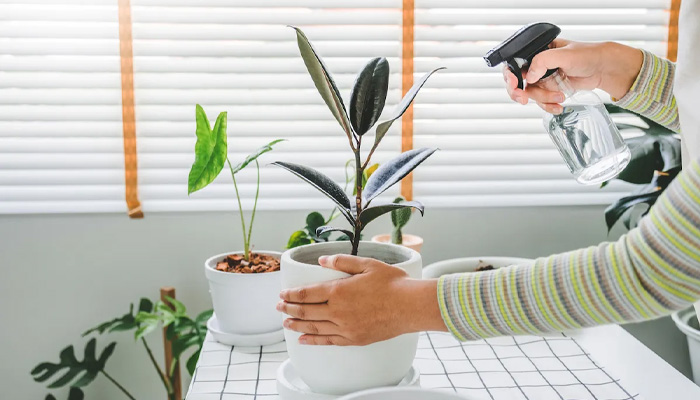
The rubber plant (Ficus elastica) has become one of the most popular indoor houseplants for good reason. With its large, glossy leaves and strong upright growth, it instantly adds a bold, modern touch to any room. At the same time, it is surprisingly low-maintenance once you understand its basic needs. For beginners and experienced plant owners alike, the rubber plant is often considered a “high reward, low effort” indoor plant.
However, while it is not difficult to care for, it does have some specific preferences. Light, watering habits, and positioning all play an important role in keeping it healthy and encouraging steady growth. Understanding these basics can make the difference between a struggling plant and a thriving indoor statement piece.
Choosing the Right Spot Indoors
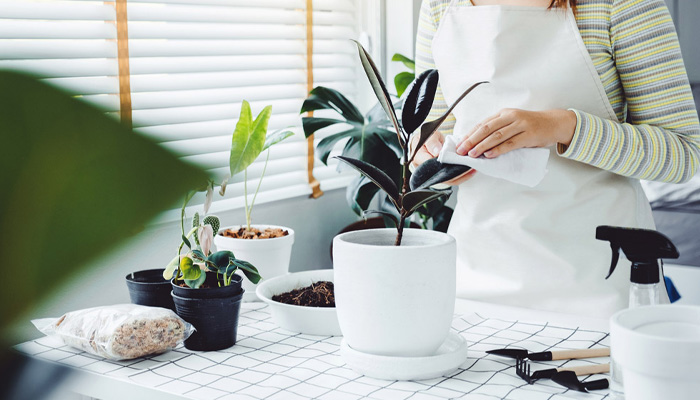
Light is one of the most important factors in growing a healthy rubber plant. In its natural environment, it grows under the canopy of tropical forests, which means it prefers bright but indirect light indoors. A spot near an east-facing or north-facing window is usually ideal. It can also adapt to medium light conditions, although growth may slow down.
Direct harsh sunlight should be avoided, especially through glass, as it can scorch the leaves and cause brown patches. On the other hand, very low light conditions will not kill the plant immediately, but it may lead to leggy growth and smaller, dull leaves over time.
A good rule is simple: if you can comfortably read a book in the spot without turning on a light during the day, the lighting is probably suitable for a rubber plant.
Watering Without Overdoing It
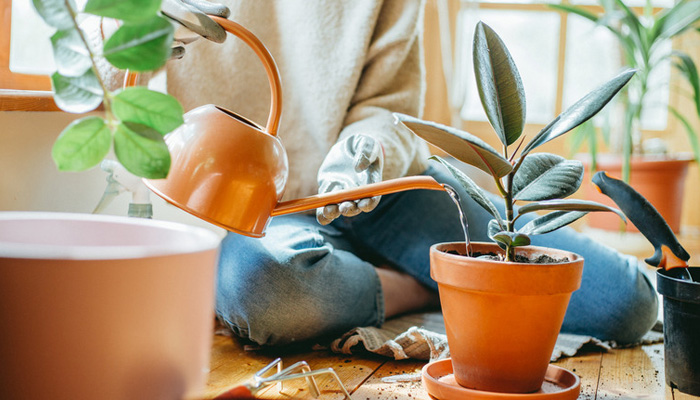
One of the most common mistakes with rubber plants is overwatering. Despite their tropical origin, they do not like sitting in constantly wet soil. Their roots need oxygen, and too much water can quickly lead to root rot.
The best approach is to let the top 1–2 inches of soil dry out before watering again. This can be checked easily by inserting a finger into the soil. If it feels dry at that depth, it is time to water.
When watering, it is better to water thoroughly rather than giving small frequent amounts. Water should run through the drainage holes at the bottom of the pot. Always make sure excess water is discarded from the saucer so the plant does not sit in moisture.
In winter, the plant’s growth slows down, so watering should be reduced accordingly.
Soil and Pot Selection
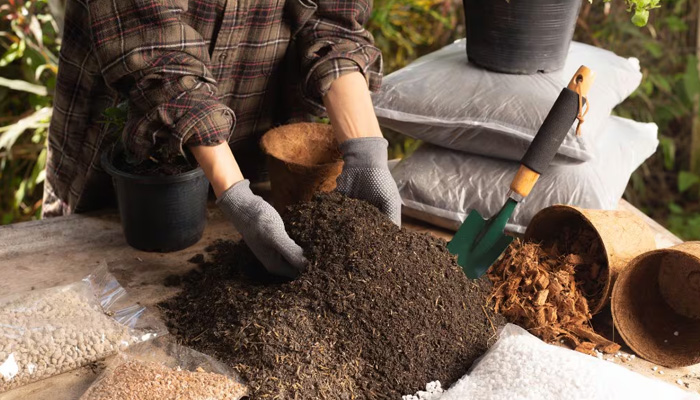
Rubber plants prefer well-draining soil that retains some moisture but does not stay soggy. A good indoor potting mix often works well, especially when mixed with perlite or orchid bark to improve airflow.
Drainage is essential. The pot must have drainage holes, as rubber plants are highly sensitive to water buildup at the roots. A heavy ceramic or clay pot is often a good choice because it provides stability as the plant grows taller.
As the plant matures, it can become top-heavy due to its large leaves. Choosing a stable pot helps prevent tipping and keeps the plant safe in busy indoor spaces.
Temperature and Humidity Preferences
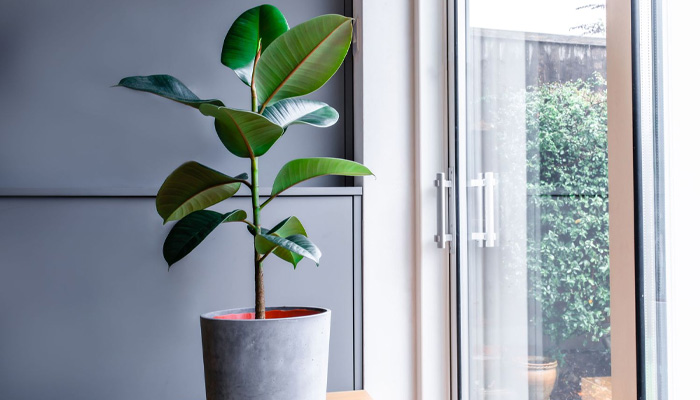
Rubber plants thrive in warm, stable indoor temperatures. The ideal range is between 60°F and 80°F (15°C to 27°C). They do not tolerate cold drafts well, so they should be kept away from frequently opened windows during winter or air conditioning vents in summer.
While they can adapt to average household humidity, they do appreciate slightly higher humidity levels. If the air is too dry, especially during winter heating months, the leaves may develop brown edges or become less vibrant.
To increase humidity, simple methods like grouping plants together, placing a tray of water nearby, or using a small humidifier can make a noticeable difference.
Fertilizing for Healthy Growth
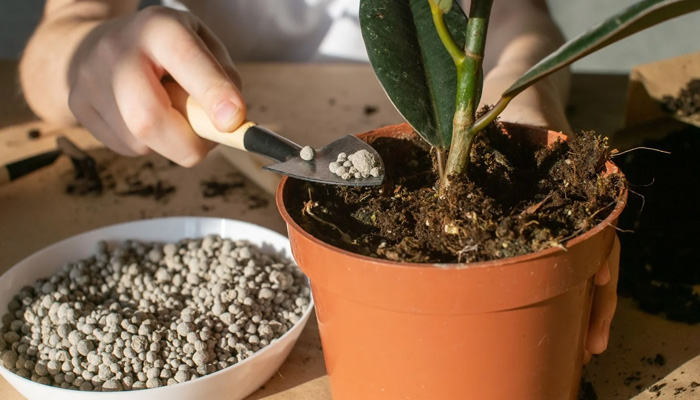
During the growing season (spring and summer), rubber plants benefit from regular feeding. A balanced liquid houseplant fertilizer applied once a month is usually enough to support healthy leaf development and steady growth.
In fall and winter, fertilizing should be reduced or stopped entirely, as the plant naturally slows down during this period. Over-fertilizing can lead to salt buildup in the soil and may harm the roots, so moderation is key.
Pruning and Controlling Size
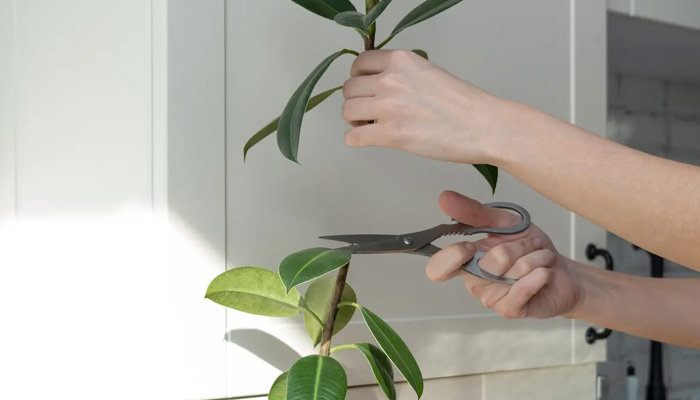
Indoors, rubber plants can grow quite tall if left unchecked. Pruning helps control their height and encourages a fuller, bushier shape.
The best time to prune is in spring or early summer. Cutting just above a leaf node encourages new branches to form. Even a small trim can significantly change the plant’s shape over time.
It is also normal for rubber plants to produce a milky sap when cut. This is a natural latex substance and should be handled carefully, as it can be irritating to the skin.
Wiping the leaves regularly with a damp cloth not only keeps the plant looking shiny but also helps it absorb more light by removing dust buildup.
Common Problems and How to Fix Them
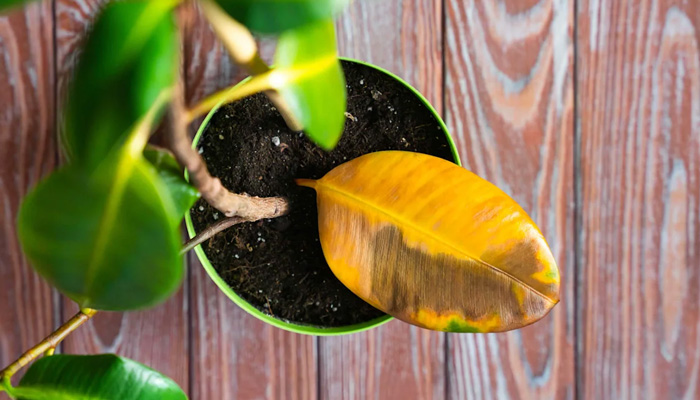
Even though rubber plants are hardy, they can still show signs of stress if conditions are not right.
Yellowing leaves are often a sign of overwatering. If this happens, reduce watering frequency and check whether the soil is draining properly.
Dropping leaves can occur when the plant experiences sudden changes in temperature or light. Moving it to a more stable environment usually helps.
Brown spots or edges may indicate low humidity or inconsistent watering habits.
Pests such as spider mites or scale insects can occasionally appear, especially in dry indoor air. Wiping leaves and using gentle insecticidal soap can help keep infestations under control.
Propagation for New Plants
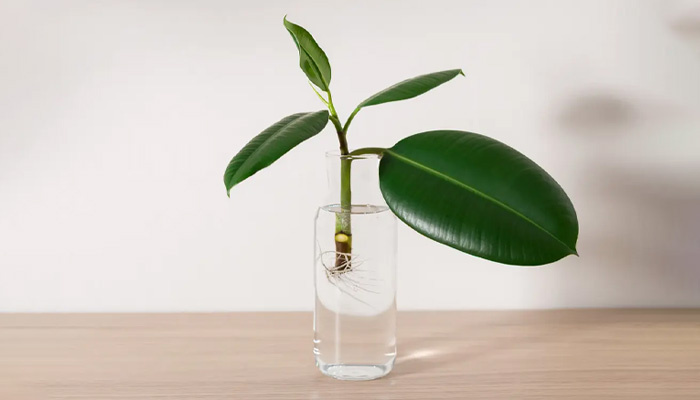
One of the more rewarding aspects of rubber plant care is propagation. New plants can be grown from stem cuttings. A healthy stem with at least one or two leaves can be cut and placed in water or moist soil until roots develop.
This process takes time, but it allows plant owners to expand their indoor collection or share plants with others.
Final Thoughts
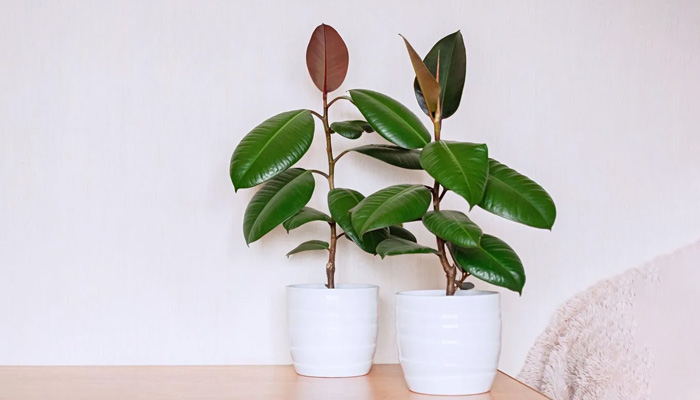
The rubber plant is a striking yet forgiving indoor plant that suits a wide range of home environments. With the right balance of light, water, and stability, it can grow into an impressive indoor tree over time. Its ability to adapt and its strong visual presence make it a favorite for anyone looking to add a natural, architectural element to interior spaces.
For those willing to follow a few simple care rules, the rubber plant rewards with years of lush, glossy greenery and steady, reliable growth.