
How to Stop Windows from Fogging Up in Winter (Easy Fixes That Work)

Foggy windows in winter may seem harmless—but they often signal excess moisture that can quietly lead to bigger issues inside your home. Over time, that moisture can affect window frames, walls, and even indoor air quality. The good news? You don’t need expensive repairs to fix it. With the right steps, you can reduce condensation quickly and keep your home more comfortable all season.
1. Control Indoor Humidity (The Most Important Step)
If you want to stop fogging for good, you need to control humidity. This is the root cause of most condensation problems. Most homes should stay between 30% and 50% humidity in winter. Once levels go higher, warm air holds more moisture—and that moisture ends up collecting on cold window surfaces.
Use a Dehumidifier

A dehumidifier is one of the most effective ways to remove excess moisture from the air. It works quietly in the background and can noticeably reduce condensation within a short time. Placing it near problem areas—such as windows, kitchens, or laundry spaces—helps target moisture where it builds up the most. Even a small unit can improve indoor air balance, and over time it also helps reduce the risk of mold, odors, and dampness. For many homes, this is the single most effective long-term solution.
Change Daily Habits That Add Moisture

Humidity often comes from everyday routines. Cooking, showering, and drying clothes indoors all release moisture into the air. Covering pots while cooking can significantly reduce steam, while using a bathroom fan after every shower prevents moisture from spreading through your home. If possible, avoid drying clothes indoors, or ensure proper ventilation when you do. Even small changes—like shortening shower time slightly—can reduce overall humidity levels. These habits work quietly in the background, preventing condensation before it even starts.
2. Improve Air Circulation (Often Overlooked)
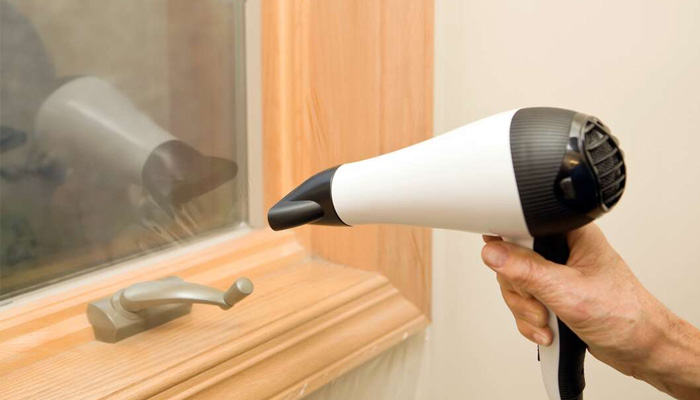
Even if humidity is under control, poor airflow can still cause condensation. Windows fog up more easily when the air around them remains still. Without movement, warm air from your heating system never reaches the glass, allowing it to stay cold and collect moisture.
To improve circulation, it helps to keep air moving consistently throughout your home. Ceiling fans or small portable fans can gently push warm air toward window areas, helping balance temperatures. It’s also important to check that heating vents are not blocked by furniture or rugs, as this can prevent proper airflow. Rearranging furniture away from windows creates space for air to move freely, while opening curtains during the day allows warmth and sunlight to reach the glass. These small adjustments help maintain a more even indoor temperature and reduce the chances of condensation forming.
3. Upgrade Your Windows Without Replacing Them
If condensation continues despite controlling humidity and airflow, your windows may need better insulation. Fortunately, there are several effective upgrades that don’t require full replacement.
Try Window Insulation Film

Window insulation film is a simple and affordable way to improve insulation. It creates an additional barrier between the cold outdoor air and the warm indoor environment, helping to keep the interior glass surface warmer. This reduces the temperature difference that causes condensation. Installation is straightforward and can often be done in under an hour, making it a practical option for older or single-pane windows.
Seal Gaps with Weather Stripping
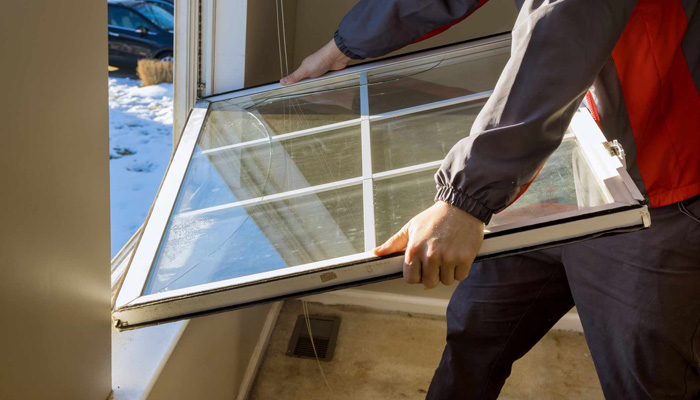
Small gaps around window frames may seem insignificant, but they allow cold air to enter and lower the temperature of the glass. Weather stripping helps seal these gaps, preventing drafts and improving overall insulation. As a result, your windows stay warmer, and moisture is less likely to form. This is one of the quickest and most cost-effective improvements you can make.
When to Consider Window Replacement
If you notice moisture trapped between glass panes, it usually means the internal seal of the window has failed. In this situation, the insulating layer is no longer working properly, and condensation cannot be fixed through simple adjustments. Replacing the window may be necessary. While it requires a larger investment, it also improves energy efficiency, reduces heating costs, and provides a more comfortable indoor environment.
4. Simple Low-Cost Tricks That Actually Help
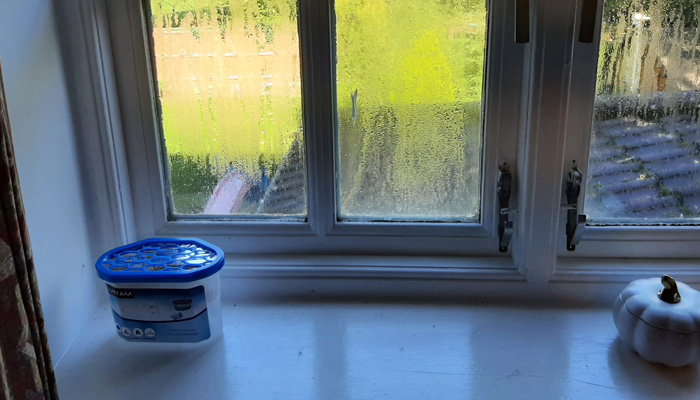
You don’t always need tools or upgrades. Some of the easiest solutions are already in your home.
- Place moisture absorbers (baking soda, charcoal, silica gel) near windows
- Use anti-fog sprays or DIY vinegar solutions
- Let sunlight in during the day to warm window surfaces
These aren’t permanent fixes—but they’re great for reducing condensation in specific areas.
5. A Daily Routine That Keeps Windows Clear

The most effective approach isn’t one big change—it’s a simple routine.
Morning:
Open windows briefly and wipe any moisture
Daytime:
Keep curtains open and allow air to circulate
Evening:
Use fans while cooking and after showers
This routine takes very little effort, but it keeps humidity from building up over time.
Conclusion

Foggy windows in winter are usually a sign that your indoor air holds too much moisture—but that also means the solution is within your control.
Start with simple actions to reduce condensation right away. Then focus on managing humidity and airflow to prevent it from coming back. If needed, small upgrades like insulation film or weather sealing can take things even further.
In most homes, you don’t need a major renovation—just a few smart adjustments that work together to create a drier, more comfortable space all winter long.