
How to Transition Your Holiday Decor into Winter Decor Without Starting Over, Designers Say

When the holidays are over, many homes face the same decorating dilemma: everything suddenly feels too festive—or worse, completely bare. After weeks of twinkling lights, ornaments, and themed décor, taking it all down can feel like hitting the reset button a little too hard. According to interior designers, though, you don’t need to start from scratch to create a cozy, stylish winter home. With a few smart edits, your holiday décor can evolve naturally into winter décor that lasts well beyond the season.
The key is learning what to remove, what to keep, and how to re-style what you already own.
Start by Removing the “Obvious Holiday” Signals

Designers agree that the first step isn’t adding anything—it’s subtracting with intention. Holiday décor often leans heavily on recognizable symbols: Santa figures, reindeer, stockings, nutcrackers, novelty signs, and anything with explicit holiday messaging.
“These items instantly anchor a space to a specific date on the calendar,” designers say. “Once that date passes, they’re the first things that need to go.”
Pack these pieces away first. Doing so immediately softens the room and makes what’s left feel more flexible and season-neutral.
Keep the Winter-Friendly Elements
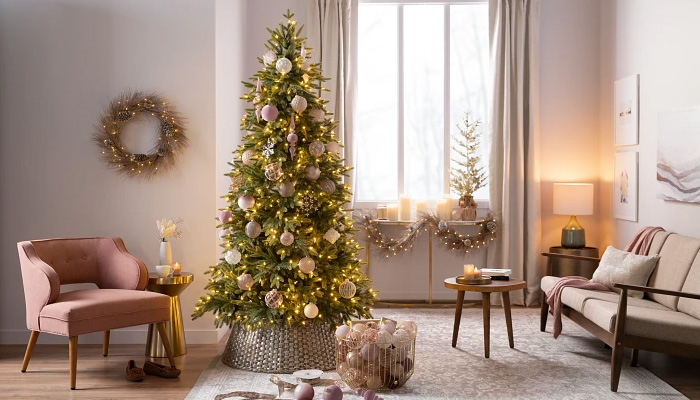
Not everything associated with the holidays needs to disappear. In fact, many classic holiday materials are also perfect for winter.
Designers recommend holding onto:
Greenery without ornaments, such as pine garlands, eucalyptus, or cedar
White or warm-toned string lights
Natural textures like wood, stone, wool, and metal
Neutral or metallic accents (brass, gold, silver, matte black)
A Christmas tree stripped of ornaments but left with warm lights can become a “winter tree,” especially if it’s placed in a simple basket or neutral stand. The same goes for wreaths made of pinecones, branches, or dried foliage—remove the ribbons, and they instantly feel seasonal rather than celebratory.
Swap Color Accents, Not the Whole Palette
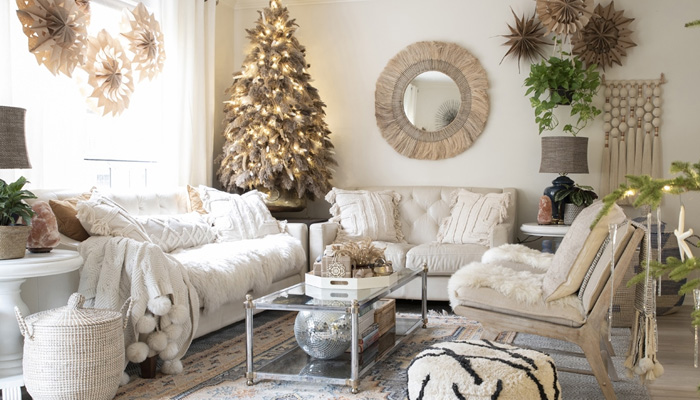
One of the easiest ways to transition décor is through color editing. Holiday spaces often rely on bold reds, greens, or themed palettes. Winter décor, on the other hand, feels calmer and more layered.
Designers suggest toning things down rather than replacing everything:
Replace red throw pillows with cream, gray, camel, or deep navy
Keep green but lean into softer, muted shades
Add black or charcoal accents for contrast
Use metallics sparingly to maintain warmth
If your holiday décor was already neutral-based, the transition is even easier. Simply removing bright seasonal pops can instantly make the room feel winter-ready.
Re-Style, Don’t Re-Buy
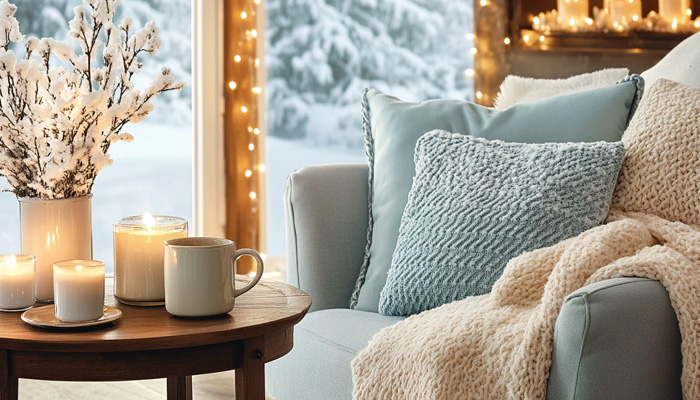
Designers emphasize that winter decorating is more about rearranging than shopping. Look at your existing pieces with fresh eyes.
A holiday centerpiece can become a winter tablescape by removing ornaments and adding candles or wooden beads. Decorative bowls once filled with ornaments can now hold pinecones, dried oranges, or textured filler. Even wrapped boxes can be replaced with stacked books or woven baskets to keep visual weight without the holiday theme.
“Winter décor thrives on texture,” designers note. “If it feels cozy and layered, it works.”
Lean Into Softness and Comfort
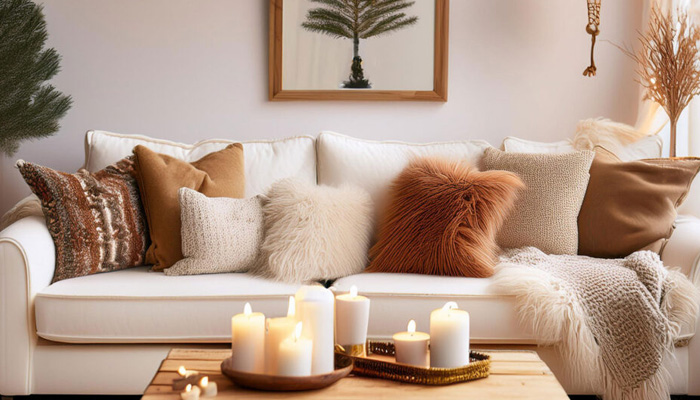
After the visual excitement of the holidays, winter décor is about comfort. Designers recommend shifting focus toward elements that make your home feel warm and lived-in.
This is the season to:
Layer throws on sofas and chairs
Introduce heavier fabrics like wool, faux fur, and knits
Add floor pillows or ottomans
Emphasize ambient lighting with lamps and candles
Even something as simple as swapping out lightweight curtains for thicker panels can dramatically change the mood of a room and make it feel suited for colder months.
Rethink Your Lighting Strategy
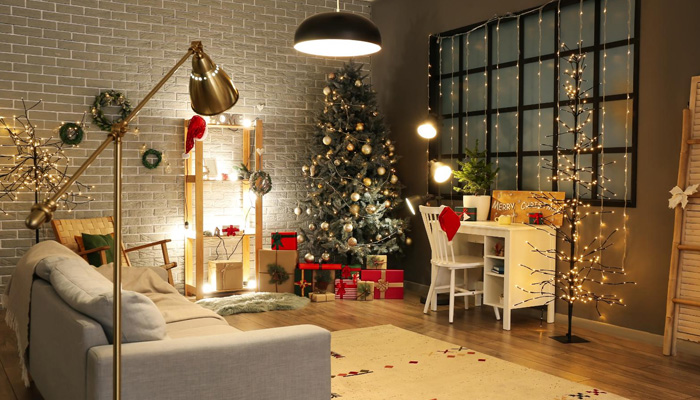
Holiday lighting often focuses on sparkle and statement. Winter lighting, designers say, should feel softer and more intentional.
Keep string lights, but weave them into shelves, mantels, or glass containers rather than draping them everywhere. Candles—real or LED—become especially important in winter, adding warmth without visual clutter.
Table lamps and floor lamps also play a bigger role. Using multiple low-light sources instead of one bright overhead light makes spaces feel cozier and more inviting during long winter evenings.
Extend Nature Indoors
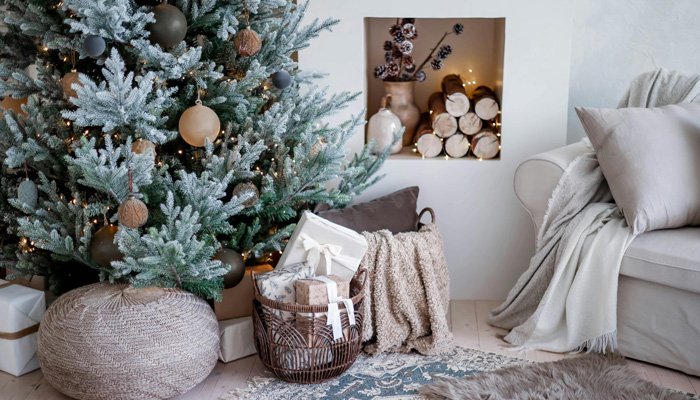
One thing designers consistently recommend for winter décor is natural inspiration. While holiday décor may exaggerate nature with sparkle and color, winter décor embraces it in a quieter way.
Bare branches in a vase, stone accessories, clay pots, and dried botanicals all feel appropriate and timeless. Even seasonal scents—like cedar, pine, or smoky woods—can help bridge the emotional gap between festive and everyday living.
This approach keeps your home feeling connected to the season without relying on holiday symbols.
Edit Room by Room, Not All at Once

Trying to transition your entire home in one day can feel overwhelming. Designers advise working room by room, starting with the spaces you use most.
Begin with the living room, then move to the dining area, and finally bedrooms and entryways. This slower approach allows you to see what works and avoid overcorrecting.
Often, once the main space feels right, the rest of the house naturally follows suit with minimal effort.
The Takeaway: Winter Is a Mood, Not a Theme
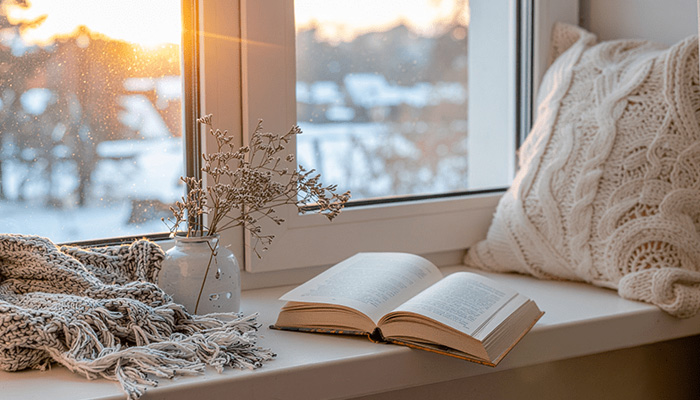
Designers say the biggest mistake people make is treating winter décor like another holiday. Unlike festive decorating, winter styling isn’t about symbols or statements—it’s about atmosphere.
When you focus on warmth, texture, light, and simplicity, your holiday décor doesn’t need to disappear overnight. It just needs to evolve.
By editing thoughtfully and reusing what you already have, you can create a winter home that feels calm, cozy, and intentional—without starting over or spending a fortune.