
Your 2026 Living Room Just Got Smart… Like, Really Smart
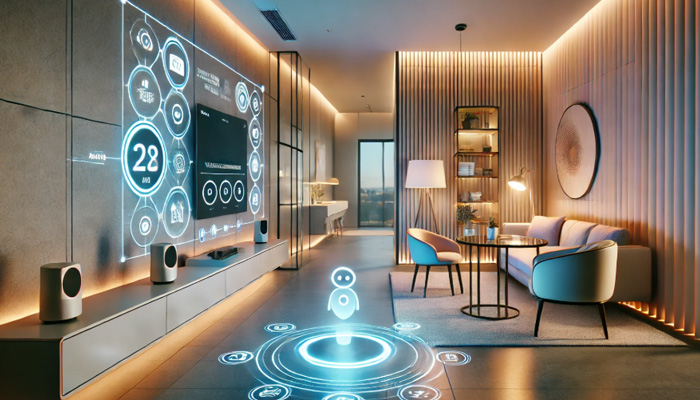
Imagine walking into your home after a long day and having everything just… work. The lights adjust to your mood, the temperature feels perfect, your favorite playlist starts in the background, and even the coffee machine knows you need a strong cup. Welcome to 2026, where AI isn’t just in your phone—it’s in the very walls of your home. Smart homes have been around for years, but 2026 houses take it to a whole new level, turning ordinary living rooms into responsive, intuitive spaces that learn what you like and how you live.
The AI Revolution in Home Design

Gone are the days when “smart home” meant a few voice-controlled lights or a thermostat you could set with an app. Today, AI in residential design integrates seamlessly with everything: your furniture, appliances, entertainment, and even your windows. For example, AI-powered climate systems can analyze your daily schedule, the weather forecast, and even the sunlight streaming through your windows to maintain perfect temperature and humidity all day long. No more fiddling with thermostats or struggling to remember to open the blinds.
The AI doesn’t just react; it anticipates. Using data from your routines, it can suggest small changes that make life easier. Imagine the living room slowly warming up ten minutes before you arrive home, or the lights dimming automatically for movie night. In 2026 homes, this kind of intelligent responsiveness is becoming the new standard rather than a luxury.
Entertainment That Knows You

Entertainment is another area where AI is making a noticeable difference. Streaming services have been personalized for years, but now your living room setup itself can learn what you like. Smart TVs and sound systems can detect who is in the room and automatically adjust settings—volume, brightness, and even screen size—based on your preferences.
Some systems can go further: AI can create interactive experiences, like hosting a virtual fitness instructor in your living room or projecting an immersive virtual aquarium on the walls while you relax. Your home doesn’t just entertain you; it tailors the experience to your mood, making downtime more immersive and personal.
Smarter Furniture and Flexible Spaces

In 2026, furniture is also getting smarter. AI-connected sofas can adjust firmness depending on how long you’ve been sitting, and smart coffee tables can wirelessly charge your devices while keeping track of clutter. Even room layouts are evolving. With motorized, AI-managed furniture, your living room can reconfigure itself for different purposes: a quiet reading nook in the morning, a social lounge in the afternoon, or a mini-theater by night.
These spaces are not only functional—they’re also predictive. Sensors embedded in floors, walls, and furniture gather information about how you move through your home. Over time, your AI system can recommend rearrangements that improve flow, reduce congestion, or even boost energy efficiency.
Energy Efficiency Meets AI

One of the most practical benefits of AI-driven homes is energy management. AI systems can monitor and optimize power use in real-time. For example, lights can dim or turn off automatically in empty rooms, while smart appliances schedule heavy-duty tasks like laundry during off-peak hours. Solar panels and battery storage systems can be monitored by AI to maximize savings, learning to store energy when rates are low or the sun is shining brightest.
These systems not only save money—they also reduce your environmental footprint without requiring you to lift a finger. A home that thinks for you can also help the planet.
Security and Safety Smarts

Security is another area where 2026 homes shine. AI-powered cameras and door locks can recognize familiar faces, alert you to unusual activity, and even detect potential hazards like water leaks or smoke before they become emergencies. Unlike traditional security systems, AI doesn’t just send alerts—it can respond. For instance, if a water leak is detected in the living room, the AI can shut off the supply, notify you, and even call a plumber automatically.
For families, elderly residents, or anyone living alone, this level of proactive safety is a game-changer. Your home becomes not just a living space, but an intelligent guardian.
What’s Next for AI Homes?
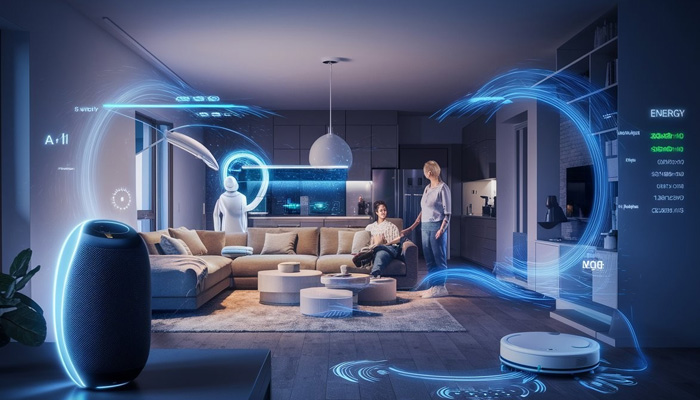
By 2026, AI in homes will continue to expand. Expect homes that interact more naturally with voice, gestures, and even emotional cues. Some systems may anticipate your needs before you even articulate them, like preparing a relaxing bath when sensing stress, or suggesting a new furniture arrangement for better sunlight.
However, as homes get smarter, homeowners will need to stay aware of privacy concerns and data security. AI thrives on information, and the smarter the home, the more data it collects. Choosing systems that prioritize privacy will be key to enjoying the convenience without compromise.
Living in a Home That Thinks
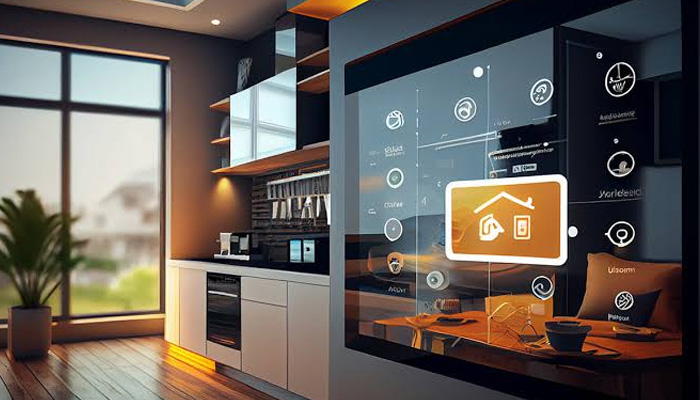
The concept of a home that thinks for you might have sounded like science fiction just a few years ago. In 2026, it’s becoming a reality. From adjusting your lighting and temperature to creating personalized entertainment, flexible furniture layouts, energy efficiency, and even security, AI integration transforms the living room into an intuitive, responsive environment.
It’s a future where your home doesn’t just respond—it understands, anticipates, and adapts. And the best part? You get to enjoy a space that’s not only smart but truly tailored to the way you live.