
8 Mistakes That Are Ruining Your Chef’s Knife
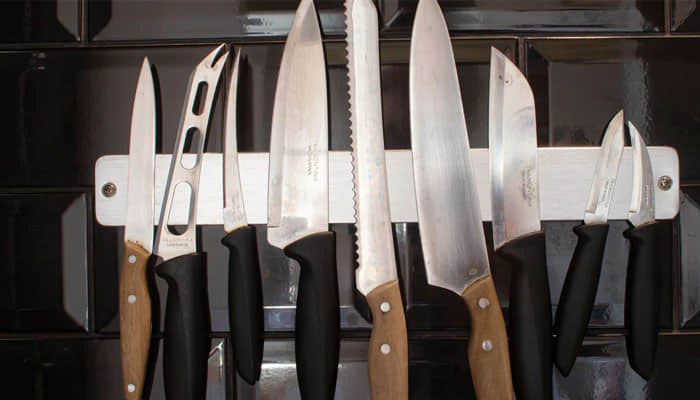
You bought a nice chef’s knife, spent way too much on it, and expected it to glide through everything like magic. But somehow, it’s dull, nicked, or just… disappointing. The problem isn’t the knife—it’s how you’ve been treating it. Little habits in the kitchen can ruin even the best blades. Here are eight ways people unintentionally destroy their knives and how to actually make them last.
1. Chopping on the Wrong Surface
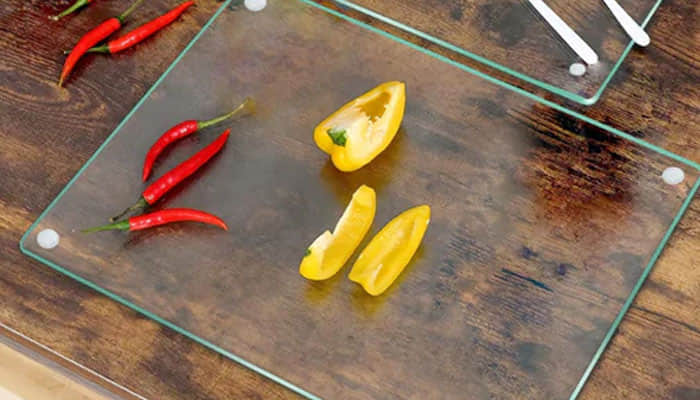
You might think any cutting board will do, but the surface matters more than you realize. Glass, marble, or granite may look sleek, but they’re brutal on edges. Even soft vegetables can chip a blade if the surface is too hard, and over time, those tiny chips add up.
Stick to wood or thick plastic boards. They give a little under the knife, which actually preserves the edge. Bamboo boards are okay, but avoid very hard bamboo, which can be almost as tough as glass. If your board has deep grooves, sand them smooth or replace it—grooves catch the knife and can nick it.
2. Tossing It in the Dishwasher
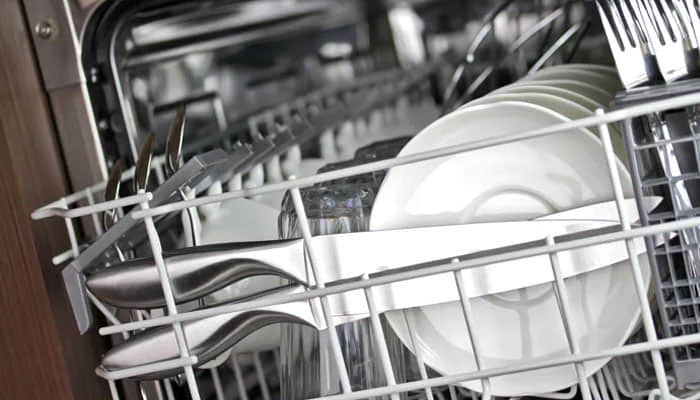
It’s tempting to just throw everything in the dishwasher and forget about it, but chef knives do not like that. The high heat can warp the blade, detergent chemicals can corrode it, and bumping around with other utensils will cause nicks and scratches. Handles, especially wood or resin, often crack or loosen too.
Rinse it immediately after use and wash by hand with warm water and mild soap. Dry it thoroughly with a towel before putting it away. A quick hand wash takes seconds but can double your knife’s lifespan.
3. Using It for Everything
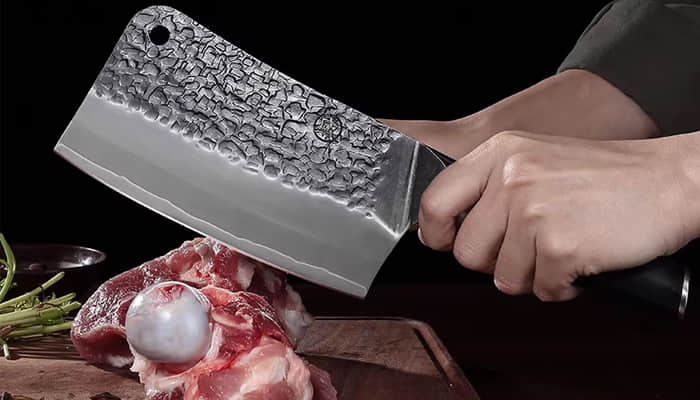
Chef knives are versatile, but they aren’t superhuman. Using them to open packages, cut frozen foods, or chop through bones is a fast way to ruin the edge. These tasks are better suited for a serrated knife, cleaver, or even scissors.
Even cutting soft vegetables incorrectly—like forcing through a squash without a rocking motion—can roll the edge over and make it dull faster. Think of your knife like a sports car: it’s designed for precision, not brute force. Treat it that way, and it will perform beautifully.
4. Ignoring Regular Sharpening
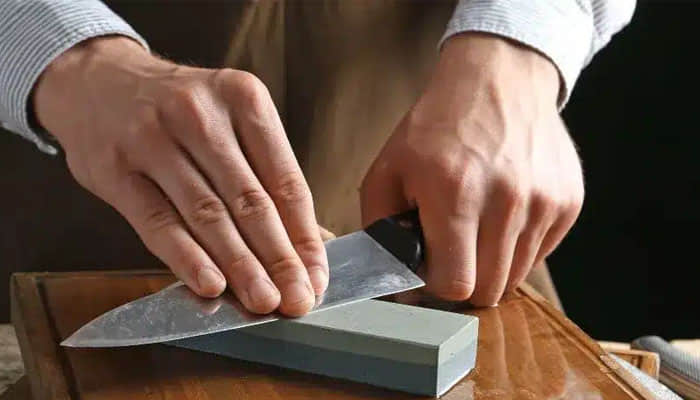
Many people wait until a knife is almost unusable before sharpening. By then, you’re grinding off more metal than necessary, shortening the knife’s life. A dull knife is not just annoying—it’s more dangerous, because it requires extra force and can slip.
Use a whetstone or professional sharpening service every few months if you cook regularly. Between sharpenings, a quick stroke on a honing rod will keep the edge aligned. Think of it like brushing your teeth: a little maintenance regularly beats a huge emergency fix later.
5. Cutting the Wrong Way
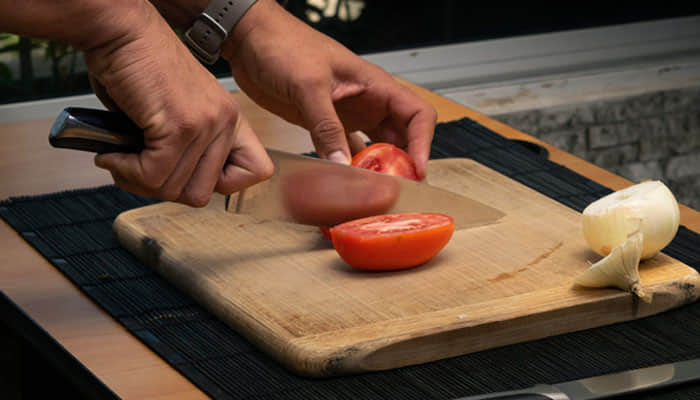
A lot of home cooks press straight down or saw back and forth aggressively. That doesn’t just dull the blade faster—it also makes your chopping less efficient and more tiring.
Instead, try a rocking motion. Keep the tip on the board and roll the knife from tip to heel as you cut. Not only does it feel smoother, but it also lets the knife do the work instead of your arm. Your vegetables get cleaner cuts, and your knife stays sharper longer.
6. Leaving It in a Drawer
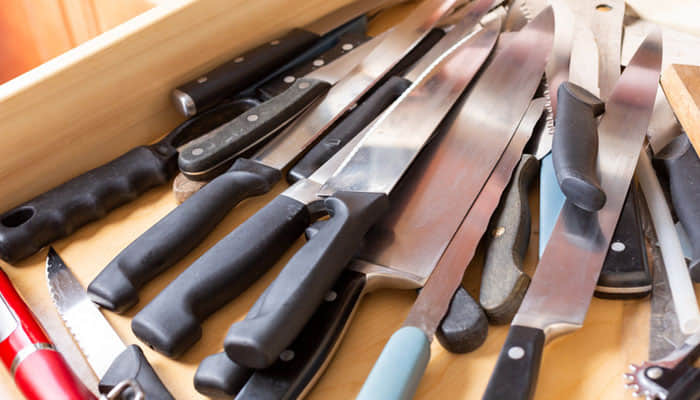
Throwing your knife into a drawer with other utensils is like tossing a brand-new guitar in a box with bricks—it’s going to get scratched, chipped, and damaged. Plus, it’s a safety hazard.
Store knives in a block, on a magnetic strip, or with blade guards. Even a simple plastic sheath protects the edge. It keeps your knife ready to use and prevents accidents. You’ll notice the difference when your knife feels precise every time you pick it up.
7. Not Drying It Properly
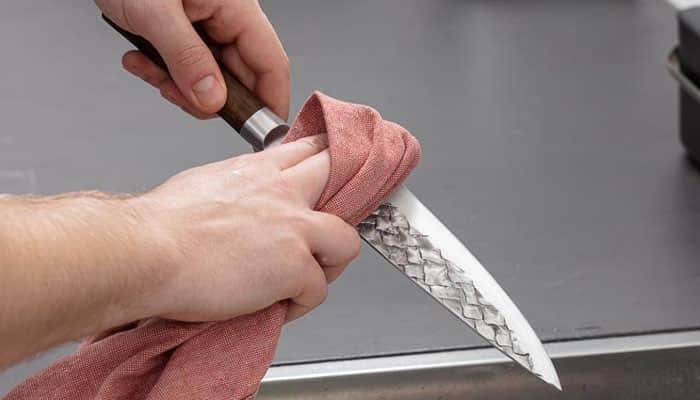
A wet knife is a rusty knife waiting to happen. Even stainless steel can develop spots, and carbon steel will rust almost immediately if left damp.
After washing, dry the blade and handle thoroughly. Don’t leave it in the sink or let it air-dry on the counter. If you treat it right after every use, it will stay shiny, sharp, and safe for decades.
8. Overlooking the Handle
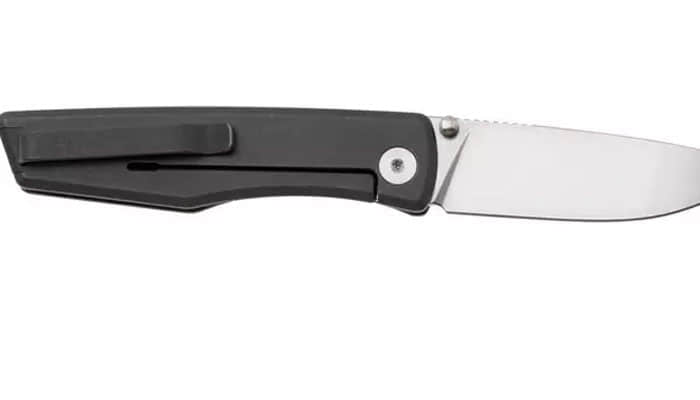
The blade isn’t the only part that matters. Wooden handles can crack if left wet, and cheap plastic handles can warp or loosen over time. A loose handle makes chopping dangerous and less precise.
Check your knife’s handle regularly. If it’s wood, rub a little mineral oil on it now and then to prevent drying. If the handle is damaged, get it repaired or replaced instead of risking accidents. A solid handle makes the knife feel like an extension of your hand, which is exactly what a chef’s knife should be.
Bonus Thought: Treat Your Knife Like a Partner
At the end of the day, a chef’s knife isn’t just a tool—it’s a partner in your kitchen adventures. Treat it well, and it will perform beautifully for decades. Abuse it, and even the most expensive blade becomes frustrating and dangerous. Respect your knife, pay attention to the small details, and your cooking will feel effortless.
Final Word
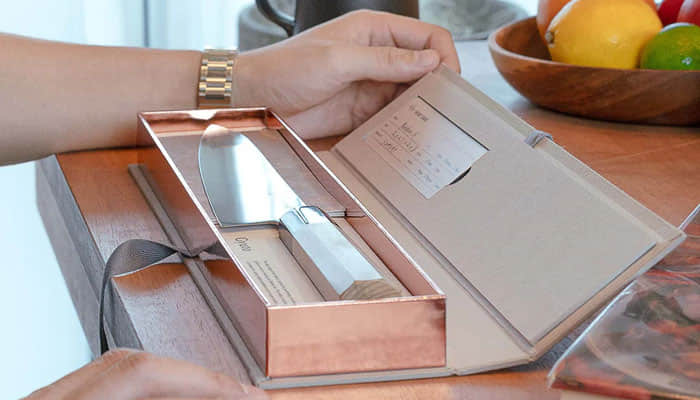
Little changes in habits make a huge difference. Switching cutting boards, washing by hand, sharpening on schedule, and storing properly all add up to a knife that’s reliable and sharp every time you pick it up. Your chef’s knife is an investment in your cooking—and with the right care, it can become one of the most enjoyable tools in your kitchen.