
How To Stop Overeating (Naturally and Consistently)

Most articles about overeating throw the same advice at you: “Eat slower.” “Use a smaller plate.” “Drink water first.” Sure, these help—but only for a week. If you want to stop overeating naturally and consistently, you have to understand what actually drives your appetite, your habits, and your environment. The good news? Once you adjust a few surprisingly small factors, eating in a balanced way becomes almost effortless.
Here’s a simple, real-life guide to eating less without feeling deprived, restricted, or obsessed with food.
1. Fix Your Hidden Hunger Triggers (The Stuff You Don’t Notice)

Most overeating doesn’t happen because your stomach is hungry—it happens because your body or mind is depleted in some other way.
You’re not tired—you’re under-recovered.
When you’re short on sleep, your brain cranks up ghrelin (the “eat more” hormone) and shuts down leptin (the “stop eating” hormone). That’s why people who sleep less tend to eat 300–500 extra calories without realizing it.
Fix: Try adding 30 minutes of extra sleep before worrying about willpower. It sounds too easy, but it’s scientifically one of the fastest appetite stabilizers.
Your stress response is tricking you.
Stress makes your brain crave fast calories. It’s biology, not weakness.
Fix: Instead of fighting cravings, reduce stress spikes. Even 1–2 minutes of deep breathing or a short walk lowers cortisol enough to calm emotional hunger.
You’re dehydrated—but it feels like “snack hunger.”
Mild dehydration often shows up as fatigue or cravings.
Fix: Don’t chug huge bottles. Just get in the habit of taking small sips throughout the day.
2. Change Your Food Environment (This Matters More Than Willpower)
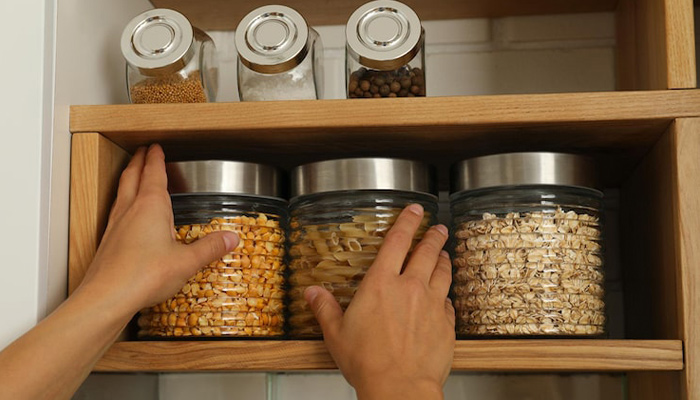
Overeating is rarely about discipline; it’s about what’s within reach.
Make “easy food” the right food.
If the easiest thing in your kitchen is chips, you’ll eat chips. If the easiest thing is fruit or yogurt, you’ll eat those.
Small habit: Place your healthiest 2–3 snacks on the front shelf. Put your “danger snacks” in a box, on the highest shelf, or somewhere you have to intentionally choose.
Use the “single-plate rule.”
It’s not about portion control—it’s about ending grazing.
Whenever you eat, put everything on a single plate or bowl. Grazing from bags, boxes, or counters leads to accidental overeating because it doesn’t feel like a “meal.”
Never eat where you work.
Your brain links locations to habits. If you snack at your desk, your desk becomes a trigger.
Choose one dedicated eating place at home—yes, even for snacks.
3. Stabilize Your Blood Sugar (The Secret Behind Most Cravings)
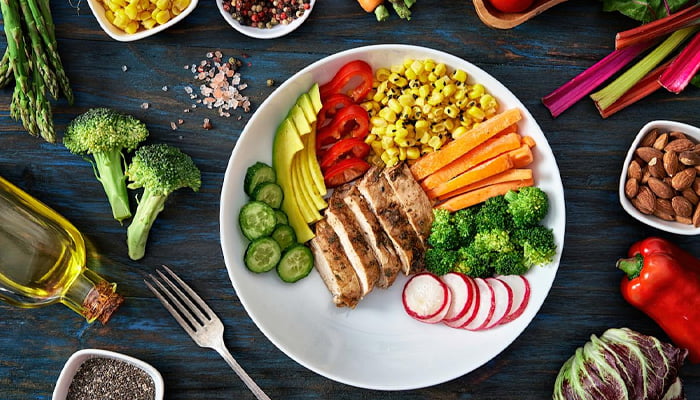
If your meals spike your blood sugar, you’ll get hungry fast—even when you’re eating plenty.
Follow the “protein + fiber” rule.
Every meal should include:
Protein: eggs, yogurt, tofu, chicken, beans
Fiber: vegetables, fruit, whole grains
This duo slows digestion, keeps you full longer, and reduces cravings by up to 40%.
Eat your food in the right order.
Yes—order matters.
Start with vegetables → then protein → then carbs.
This sequence lowers blood sugar swings, meaning fewer “why am I hungry again?” moments.
Don’t fear carbs—fear solo carbs.
Bread alone? Cravings.
Chips alone? Cravings.
Pasta with a big protein portion and veggies? Stable energy and less overeating.
4. Tune Into “Body Hunger” vs. “Brain Hunger”

This skill changes everything—and it doesn’t require journaling or meditation. It’s simply learning to ask one question:
“What kind of hunger is this?”
Body hunger: slow, low, neutral feeling in the stomach
Brain hunger: urgent, specific (“I need chocolate now”), emotional
You don’t have to ban brain hunger snacks—not at all.
Instead, try this:
The 10-Minute Rule
When you feel craving hunger, wait 10 minutes. If you still want it, eat it slowly and enjoy it—without guilt.
Most cravings fade because they were stress- or boredom-driven.
This keeps you from overeating without forcing restriction.
5. Build Automatic Meal Patterns (Consistency Without Effort)
Your body loves routine. When your eating pattern is predictable, overeating naturally decreases.
Aim for 3 meals + 1 snack (or 2 snacks—choose your style).
The point isn’t perfection. It’s rhythm.
Never go more than 4–5 hours without eating.
Long gaps lead to “I’ll eat everything in sight” hunger.
Create 3–5 “default meals.”
These are meals that are quick, satisfying, and nearly automatic. Examples:
Greek yogurt + fruit + granola
Stir-fried veggies + leftover protein
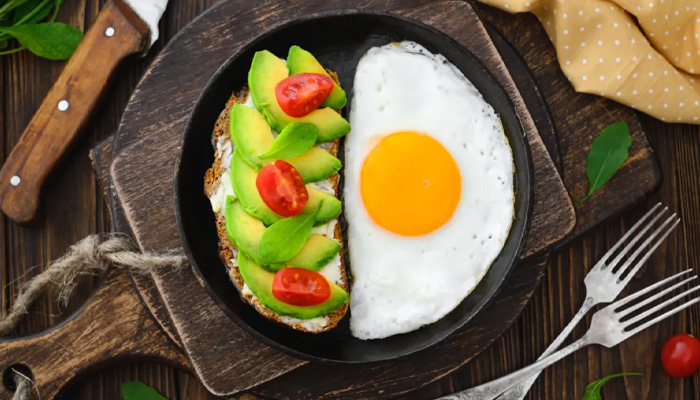
Avocado toast + egg
When you’re tired, busy, or stressed, you won’t overeat—you’ll fall back on your defaults.
6. Use “Slow Eating Moments” (Not Slow Meals)

Most people hate the advice “just eat slower.”
Here’s a better approach:
Add one slow moment to each meal:
The first bite
The middle of the meal
The final bite
Pause for five seconds and follow one cue:
“What does my body feel like it needs right now?”
This tiny moment reconnects you to fullness cues—without turning the whole meal into a mindfulness exercise.
7. Build a Kind Relationship With Food (This Reduces Overeating More Than Anything)

Restriction increases overeating. Permission lowers it.
No foods are “forbidden.”
Forbidden food becomes exciting, emotional, and easy to binge.
When you allow all foods, overeating loses its thrill.
Don’t use food as a reward. Use it as nourishment.
Reward eating teaches your brain to connect food with escape, reward, or dopamine.
Instead, reward yourself with experiences—walks, small purchases, phone-free breaks.
The Bottom Line: Eating Less Should Feel Natural, Not Forced

Overeating doesn’t stop because you try harder.
It stops because you shift your environment, your rhythms, your stress levels, and your biological cues.
Start with just one of these changes:
Better sleep
Single-plate eating
Protein + fiber meals
10-minute craving rule
One slow-eating moment
Stack them slowly.
Your appetite will balance itself.
Your cravings will quiet down.
And eating the right amount will finally feel… easy.