
11 Unique Houses From Around the World You Won’t Believe People Live In
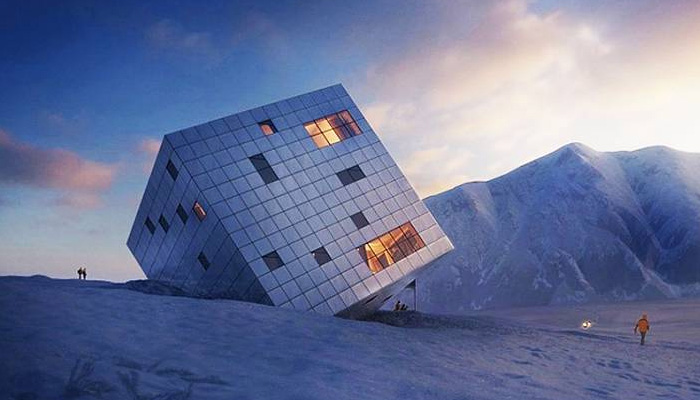
People often imagine a “house” as a familiar structure—four walls, a roof, maybe a front yard. But around the world, homes can look dramatically different depending on climate, culture, and lifestyle. In some places, people live in ice structures that melt each year. In others, homes are carved directly into cliffs or float on water.
These unusual houses are not just architectural curiosities—they are practical solutions shaped by local environments and traditions. From portable homes used by nomadic families to buildings designed to survive floods or extreme heat, each type of house tells a story about how people adapt to where they live.
Here are eleven unique houses from around the world that might completely change the way you think about what a home can be.
1. Igloos (Arctic Regions)
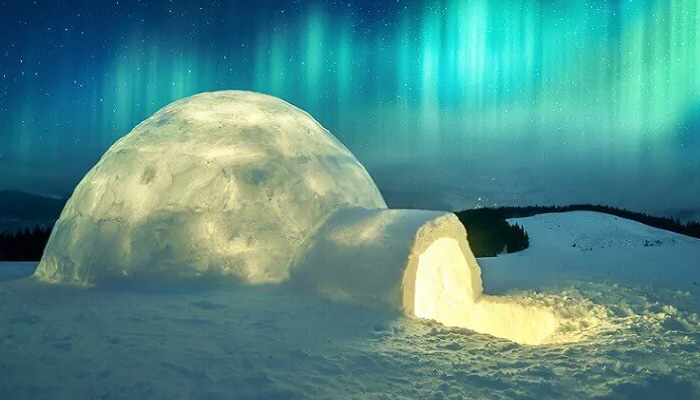
Igloos are one of the most famous cold-weather shelters in the world. Traditionally built by Inuit people in Arctic regions, these dome-shaped homes are made entirely from blocks of compacted snow.
Despite being made of ice, igloos are surprisingly warm inside. Snow traps air, which acts as insulation and helps keep heat inside the structure. When body heat warms the interior slightly, the inner surface can even harden into a thin layer of ice, strengthening the walls.
Although modern Inuit communities often live in conventional houses today, igloos are still used occasionally for hunting trips and emergency shelter in extreme conditions.
2. Yurts (Central Asia)
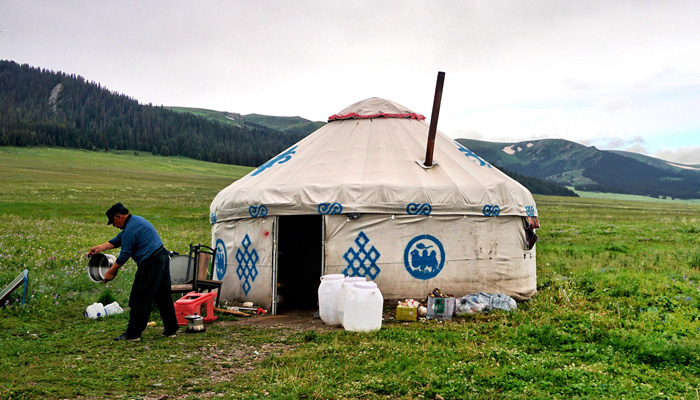
Yurts—called *gers* in Mongolia—are round portable homes traditionally used by nomadic families across Central Asia. These structures consist of a collapsible wooden frame covered with thick felt made from sheep’s wool.
The circular design helps the structure resist strong steppe winds, while the felt insulation keeps the interior warm in winter and cool in summer. A small stove in the center often provides both heat and a cooking space.
Because yurts can be assembled and taken apart relatively quickly, they are perfect for communities that move seasonally with their livestock.
3. Trulli (Italy)
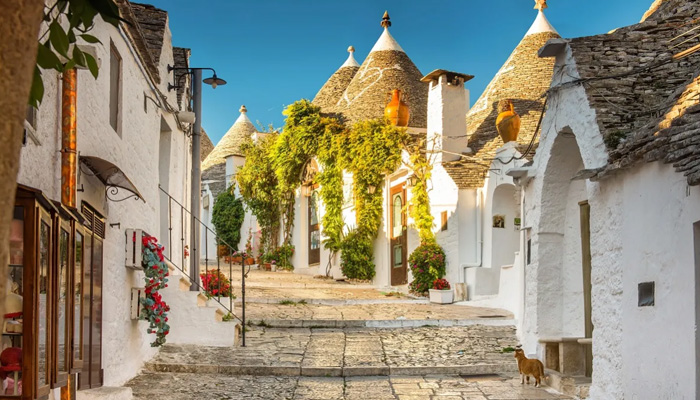
In the southern Italian region of Puglia, small white houses with cone-shaped roofs dot the countryside. These structures are called *trulli*.
Built from limestone without mortar, trulli were traditionally constructed using a dry-stone technique that allowed them to be dismantled quickly in earlier centuries. The thick stone walls help keep the interiors cool during hot Mediterranean summers.
Today, the town of Alberobello is famous for its clusters of trulli houses and is recognized as a UNESCO World Heritage Site.
4. Stilt Houses (Southeast Asia)
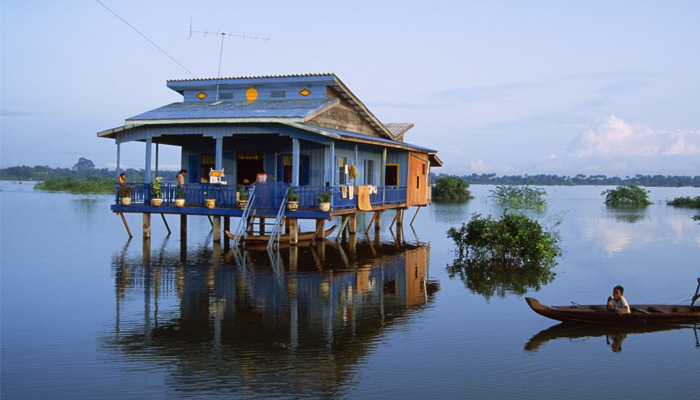
In flood-prone regions of Southeast Asia, many homes are built on tall wooden stilts. Raising the structure above ground protects it from seasonal flooding and improves airflow in humid climates.
These homes are often made from bamboo or wood and may include open spaces underneath the house for storage, animals, or shade.
The elevated design also helps keep insects and moisture away from living areas.
5. Cave Houses (China)
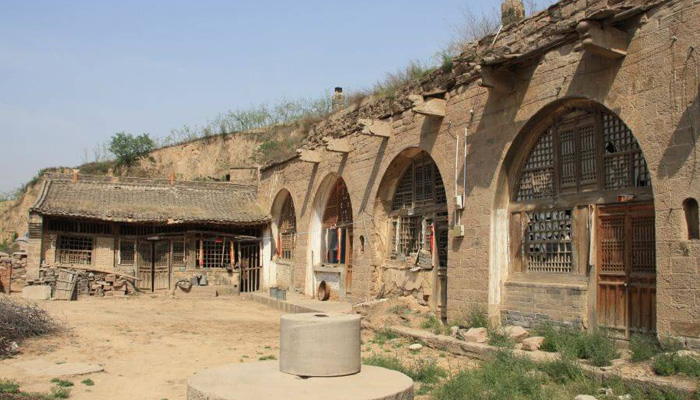
On China’s Loess Plateau, millions of people have historically lived in cave dwellings known as *yaodong*. These homes are carved directly into thick earth cliffs or built partially underground.
The surrounding soil acts as natural insulation, keeping the interior warm in winter and cool in summer. Because of this efficiency, cave homes can be surprisingly comfortable.
Many of these homes have arched entrances and spacious interiors, and some are still used today.
6. Hanok (South Korea)
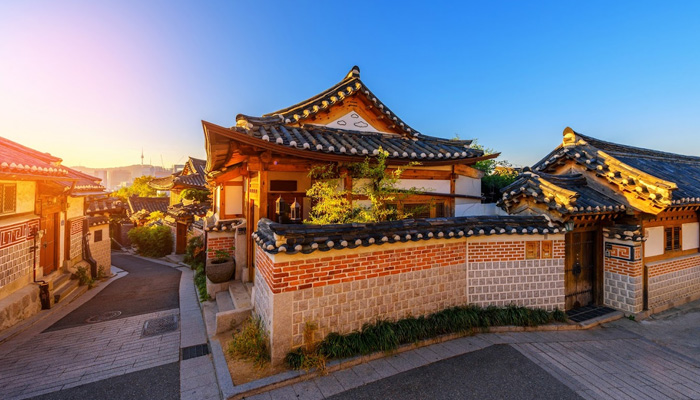
Hanok houses are traditional Korean homes designed with harmony between architecture and nature in mind.
They typically feature wooden structures, curved tiled roofs, and open courtyards. One of the most distinctive features is the **ondol** heating system, where heat from a stove travels beneath the floor to warm the house.
This design has been used for centuries and remains a defining element of traditional Korean architecture.
7. Adobe Houses (Southwestern United States & Mexico)
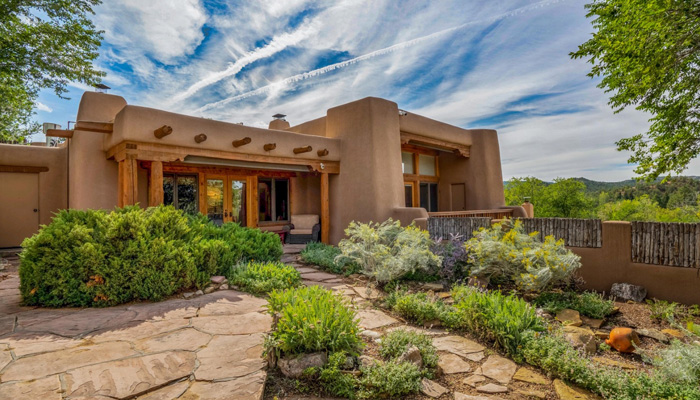
Adobe houses are built from sun-dried bricks made of clay, sand, and straw. This building method has been used for thousands of years in desert regions.
The thick walls store heat during the day and slowly release it at night, helping regulate indoor temperatures. Flat roofs and rounded edges are common design features.
Adobe architecture remains a defining style in places like Santa Fe, New Mexico.
8. Swiss Chalets (Switzerland)
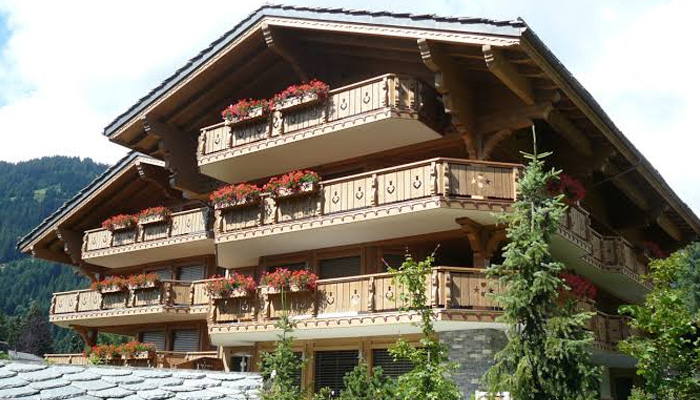
Swiss chalets are wooden houses commonly found in the Alpine regions of Switzerland.
Their wide, sloping roofs help prevent heavy snow from accumulating during winter. Large balconies and overhanging eaves also protect the walls from snow and rain.
Originally used by shepherds and farmers, chalets have become iconic mountain homes around the world.
9. Riad Houses (Morocco)
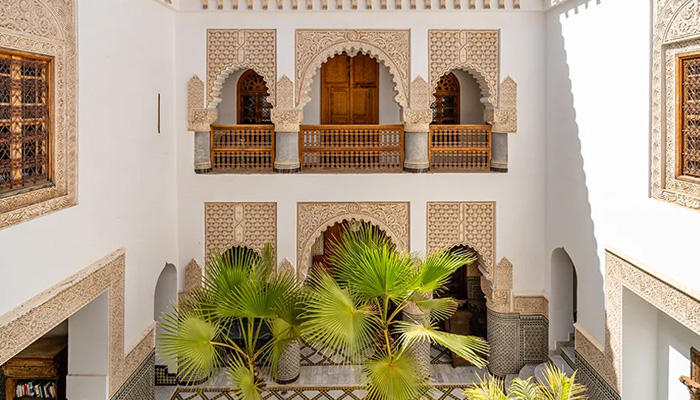
A riad is a traditional Moroccan house built around a central courtyard garden.
From the outside, riads often appear plain and windowless. Inside, however, they reveal beautiful courtyards with fountains, plants, and colorful tiles.
The inward-facing design helps keep the home cool and private in Morocco’s hot climate.
10. Bamboo Houses (Indonesia)
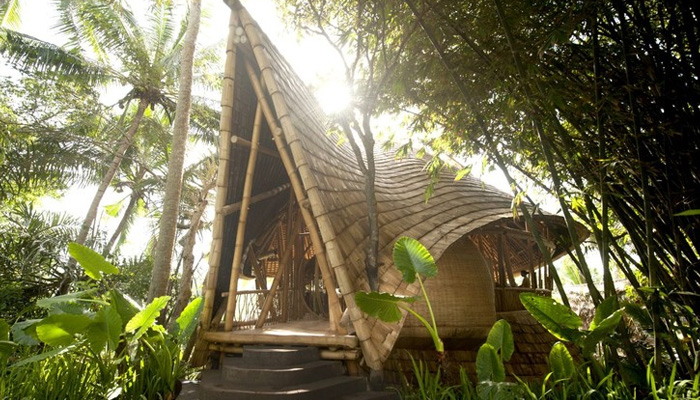
In parts of Indonesia, bamboo is one of the most common building materials.
Bamboo grows quickly, making it a renewable and sustainable resource. It is also lightweight yet strong, allowing architects to create large open spaces and curved structures.
Modern bamboo houses combine traditional building techniques with contemporary eco-friendly design.
11. Log Cabins (North America)
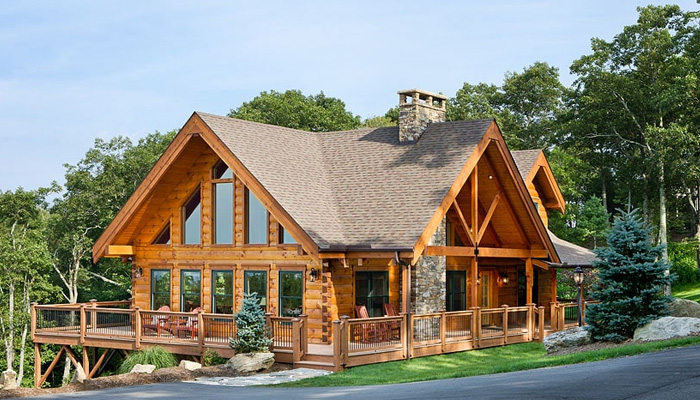
Log cabins are closely associated with North American frontier history. Early settlers built these homes from stacked logs because timber was widely available.
The thick wooden walls provided natural insulation against cold winters, while the simple construction allowed families to build homes quickly.
Today, log cabins remain popular for vacation homes and rural retreats, especially in forested or mountain regions.
A World of Different Homes
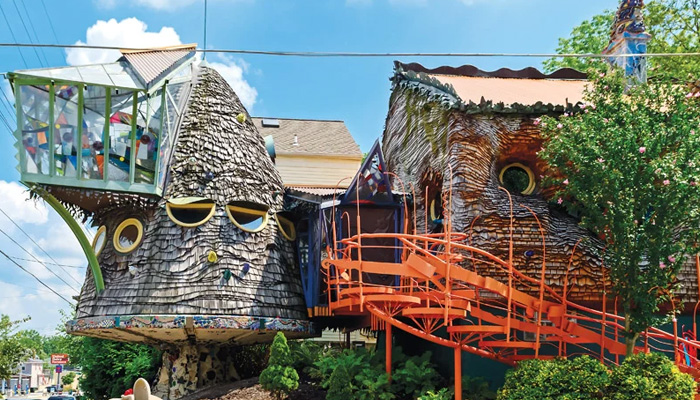
From ice domes in the Arctic to bamboo houses in tropical forests, homes around the world reflect the environments and cultures in which they are built. What might look unusual at first glance often turns out to be a smart solution to local challenges such as climate, materials, or lifestyle.
Exploring these unique houses reminds us that there is no single definition of a “normal” home. Across the globe, people have developed creative ways to build shelters that fit their surroundings—and many of these designs continue to inspire modern architecture today.