
11 Design Choices That Quietly Make Your House More Expensive to Own
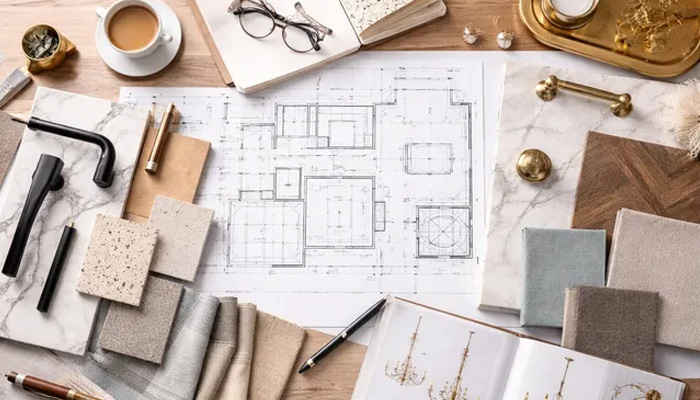
Building or renovating a home is exciting. You get to choose finishes, layouts, and features that match your style. But many design decisions that look great on paper can quietly increase the cost of owning your home over time.
These costs don’t always show up immediately. Instead, they appear slowly through higher energy bills, extra maintenance, or repairs you didn’t expect. Before committing to certain design features, it’s worth understanding how they may affect your budget in the long run.
Here are eleven design choices that can quietly make a house more expensive to own.
1. Oversized Windows in the Wrong Places
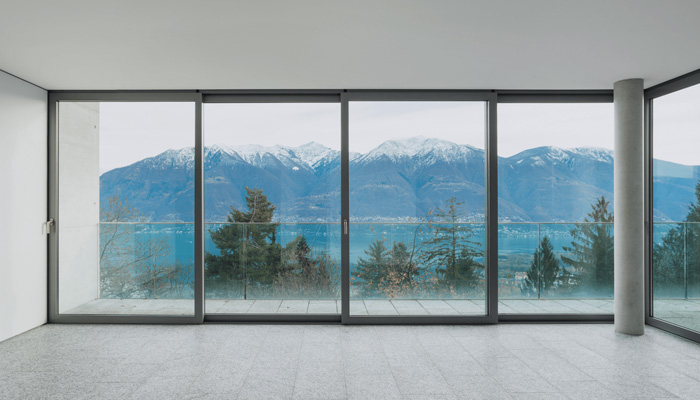
Large windows are popular because they bring in natural light and make rooms feel bigger. However, when they are poorly positioned or too large for the climate, they can significantly increase heating and cooling costs.
In hot climates, large sun-facing windows can turn rooms into heat traps during the summer. In colder areas, they can allow more heat to escape during winter. Without proper shading, insulation, or energy-efficient glass, beautiful windows can quietly push your energy bills higher every month.
2. Complicated Roof Designs
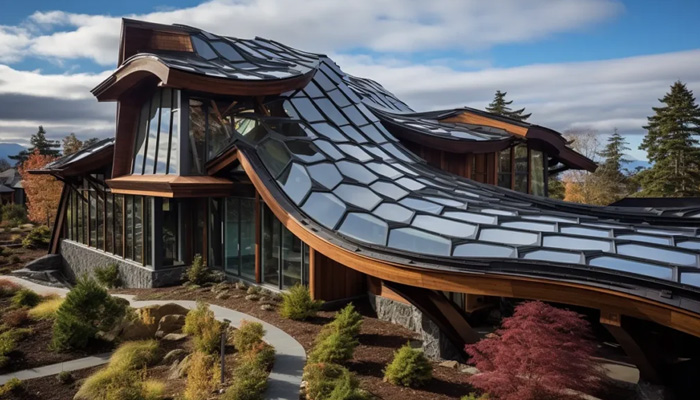
Roofs with multiple peaks, valleys, and angles may look impressive from the street, but they often come with hidden costs.
Complex roof structures require more materials, more labor, and more maintenance. They also create more areas where water can collect or leaks can develop. Over time, repairs on these roofs tend to be more frequent and more expensive compared to simple roof designs.
3. Open Floor Plans Without Zoning
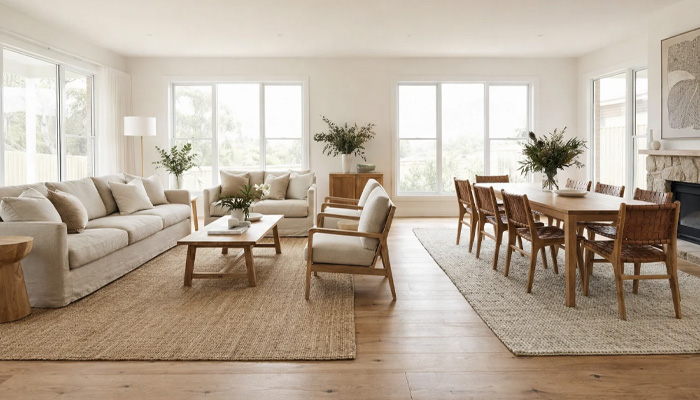
Open floor plans remain one of the most requested features in modern homes. While they can make a home feel spacious, they also make heating and cooling less efficient.
Large open areas are harder to regulate in temperature because air flows freely across the entire space. That means your HVAC system often works harder to maintain comfort, especially in homes with high ceilings or large living areas.
4. Trendy but Fragile Materials
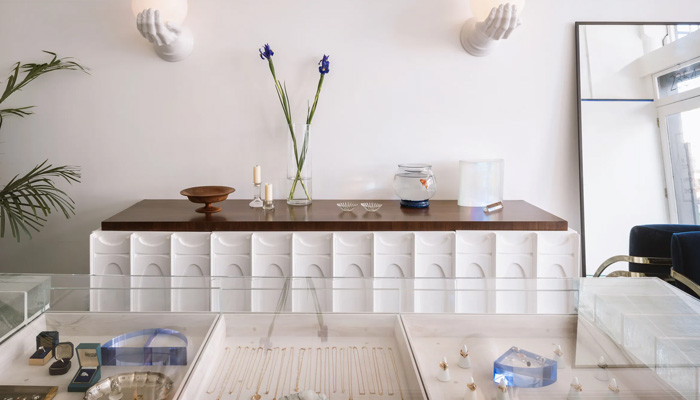
Some materials look stunning in a showroom but do not hold up well to everyday use. High-gloss cabinets, delicate stone surfaces, and certain trendy finishes may require frequent cleaning or careful maintenance.
Homeowners sometimes discover that these materials scratch easily, stain quickly, or require special products to maintain. Over the years, the extra care and replacement costs can add up.
5. Too Few Electrical Outlets
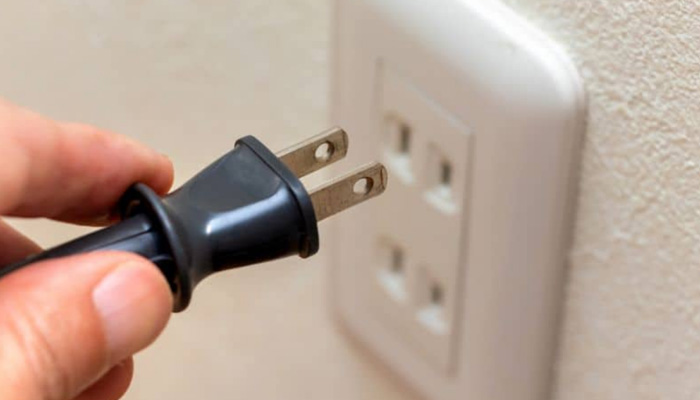
This may seem like a small detail during construction, but not installing enough outlets can lead to long-term inconvenience and extra expense.
Many homeowners later need electricians to add outlets or upgrade circuits once they realize how many devices they actually use. Adding outlets after walls are finished is far more expensive than planning for them during the design stage.
6. Large Two-Story Living Rooms
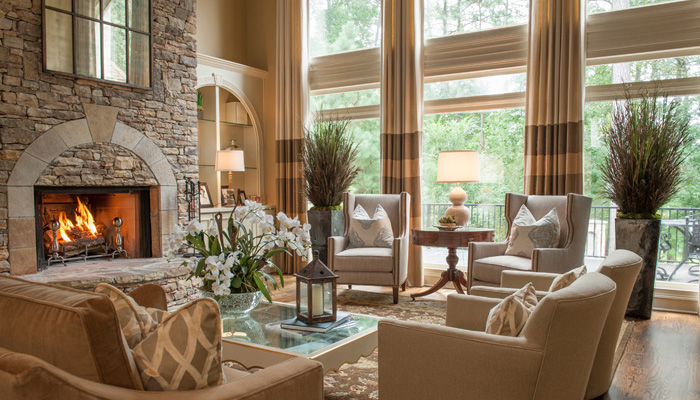
Two-story living rooms create dramatic spaces with high ceilings and lots of natural light. However, these spaces can also be difficult to heat and cool efficiently.
Warm air naturally rises, which means heating systems must work harder during colder months. Cooling these tall spaces in summer can also require more energy. While the design may feel luxurious, it can quietly increase utility costs year after year.
7. All-Glass Shower Designs
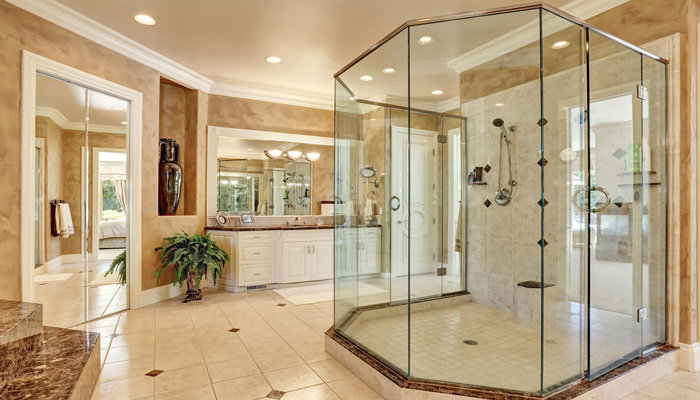
Frameless glass showers have become extremely popular in modern bathrooms. They look clean and elegant, but they often require more maintenance than traditional designs.
Glass surfaces show water spots, soap residue, and mineral deposits quickly. Without regular cleaning, they can lose their clear appearance. Some homeowners end up spending more time—or money—on cleaning products and maintenance just to keep the shower looking new.
8. Dark Exterior Colors
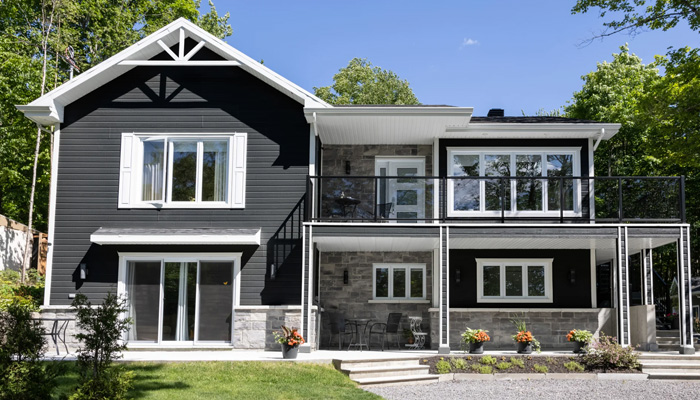
Dark exterior paint can give a house a bold and modern look, but it often comes with practical drawbacks.
Darker surfaces absorb more heat from the sun. In warmer climates, this can raise indoor temperatures and increase cooling costs. Dark paint can also fade faster under strong sunlight, meaning the house may need repainting sooner than lighter-colored homes.
9. Minimal Storage Space
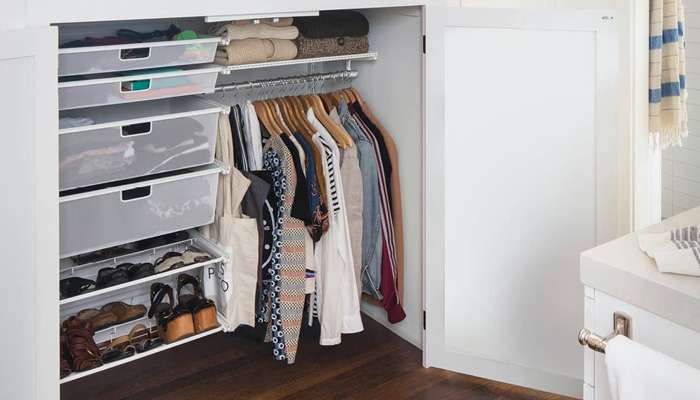
Many modern designs prioritize clean lines and minimalism, sometimes at the expense of storage. While this may look appealing during a walkthrough, it can become frustrating once the home is fully lived in.
When storage is limited, homeowners often end up buying additional furniture, storage units, or even renting off-site storage space. Adding built-in cabinets later is also more expensive than including them in the original design.
10. Cheap Flooring in High-Traffic Areas
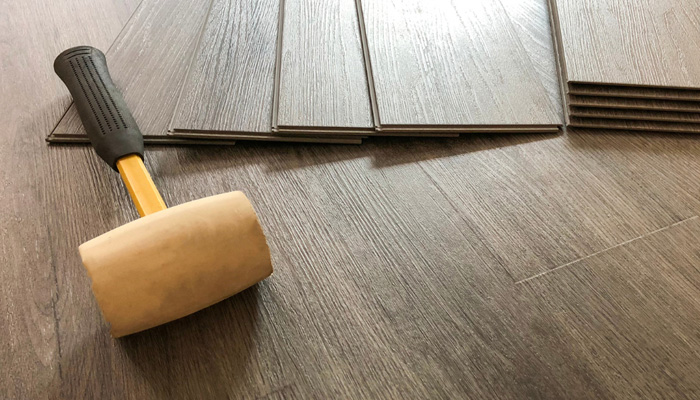
Choosing budget flooring during construction can save money upfront, but it may cost more in the long run if it wears out quickly.
Entryways, kitchens, and hallways experience the most foot traffic in a home. Low-quality materials in these areas may show scratches, dents, or fading within a few years. Replacing flooring is disruptive and costly, so investing in durable materials from the start often saves money over time.
11. Poor Outdoor Drainage Planning
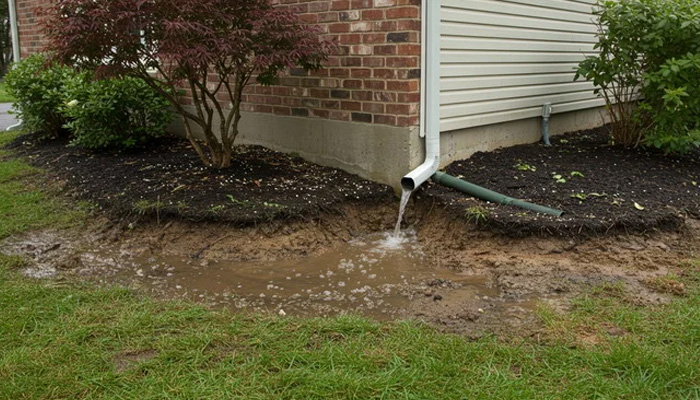
Drainage is one of the least glamorous parts of home design, which is why it is often overlooked. However, poor drainage can lead to some of the most expensive problems a homeowner can face.
Without proper grading, gutters, and drainage systems, rainwater can collect near the foundation of a home. Over time, this can lead to foundation damage, basement moisture, or landscaping erosion. Fixing these issues later is usually far more expensive than designing proper drainage from the beginning.
The Bottom Line
When designing or renovating a home, it’s easy to focus on how everything will look. But the most successful homes balance appearance with long-term practicality.
A thoughtful design doesn’t just create a beautiful space—it also helps control energy use, reduce maintenance, and avoid unnecessary repairs. By thinking about how design choices affect everyday living, homeowners can create spaces that are not only attractive but also affordable to maintain for years to come.